How Miami Gardens FL Pest Control Can Safeguard Your Home and Health

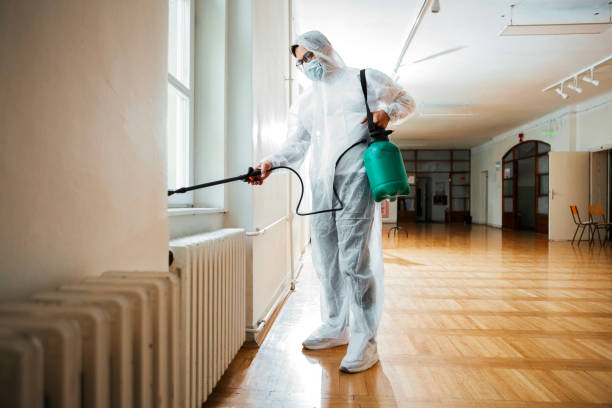
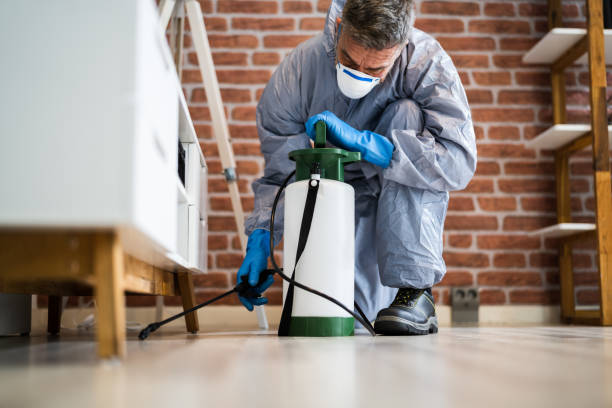
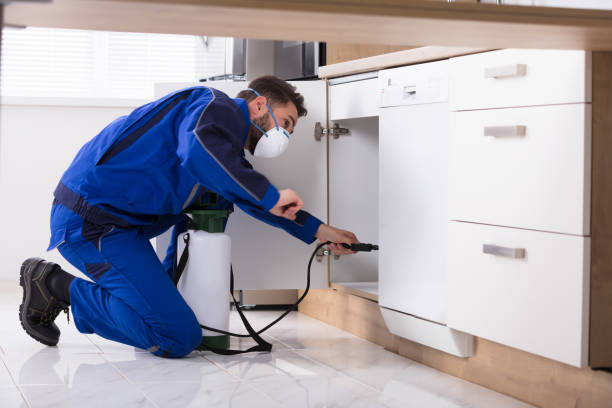
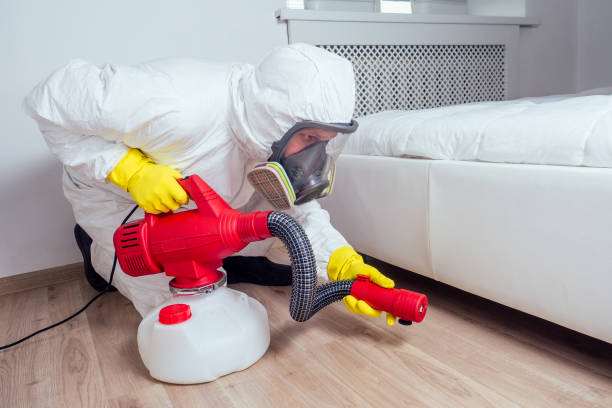
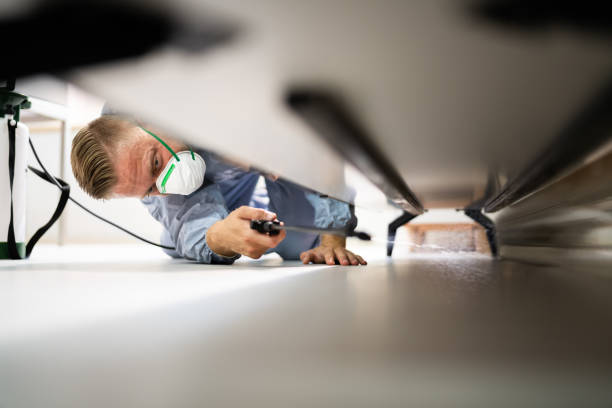
Pest control exterminator in protective mask and suit spraying insecticide in the house Pest control exterminator getting rid of insects inside infested house. Man in protective mask and suit spraying insecticide from yellow bottle on floor and walls for safe living environment at home exterminator stock pictures, royalty-free photos & images

Pests are more than just an annoyance; their presence can pose significant risks to both your property and your health. Understanding the importance of pest control is crucial in protecting yourself, your family, and your home’s structural integrity.

Health Risks Posed by Pests

  • Rodents can carry hantavirus, leptospirosis, and salmonella.
  • Cockroaches contribute to the spread of E. coli and other bacterial infections.
  • Mosquitoes transmit malaria, dengue fever, Zika virus, and West Nile virus.
  • Cockroach droppings, saliva, and shed skin can trigger asthma attacks or allergic reactions in sensitive individuals.
  • Dust mites thrive in untreated spaces, causing respiratory issues.
  • Rodents may contaminate food supplies with urine or feces.
  • Ants are also known to invade kitchens, contaminating surfaces and food storage areas.

Structural Damage Caused by Pests

  • Termite Damage: These insects feed on wood structures such as beams or flooring, potentially leading to costly repairs or weakening the foundation of your home.
  • Rodent Destruction: Rodents chew on wiring systems inside walls or attics. This increases fire hazards due to exposed wires. They also destroy insulation materials while building their nests.
  • Carpenter Ant Infestation: Carpenter ants burrow through wooden structures for nesting purposes without consuming it but still cause damage over time.
Pest Type Common Damage Potential Cost
Termites Wooden structures $3,000–$8,000 (average repairs)
Rodents Electrical wiring Varies; fire hazard repair may exceed $5k+
Carpenter Ants Wood interiors/nesting $500–$5k depending severity

Emotional Stress from Infestations

The psychological effects of pests should not be underestimated: 1 . Constant worry about potential bites (bedbugs). 2 . Feeling unsafe due dangers associated like Mosquitos vectors potential illnesses

Finding the Best Pest Control Company Miami Gardens FL for Urgent Home Services

Pests can significantly impact your home and health, and knowing when professional extermination services are necessary is crucial. Some infestations can be managed with DIY methods, but there are specific scenarios where immediate professional intervention becomes essential. Below, we explore the signs and factors that indicate you may need urgent pest control services.

Signs of an Urgent Pest Problem

  1. Seeing pests during the day often indicates a larger infestation, as many pests are nocturnal and avoid human activity.
  2. Specific examples include cockroaches on walls or floors, rodents in kitchens or storage spaces, or ants trailing into your pantry.
    • Rodents: Musty or ammonia-like odor from droppings or urine.
    • Cockroaches: Oily or musty smell from their bodies or waste.
    • Chewed wood or furniture (likely caused by termites or rodents).
    • Gnawed wires (often a sign of rodent infestation).
  3. Feces, urine trails, nests made of shredded materials, or grease marks along walls are clear indicators of a pest presence.
  4. Scratching noises in walls, ceilings, or attics may point to rodents like mice, rats, or squirrels.
  5. Increased allergies indoors may be caused by pest debris such as cockroach allergens or rodent dander.

When DIY Methods Are Not Enough

  • Recurring Infestations: If pests keep returning despite your efforts.
  • Large-Scale Infestations: When pests spread across multiple areas of your home.
  • Health Hazards: Pests like cockroaches can exacerbate asthma and allergies; rodents carry diseases such as hantavirus.
  • Structural Safety Risks: Termite damage can weaken foundations over time without timely treatment.
  • Specialized Control Needs: Bed bug infestations often need targeted treatments best handled by professionals.

Types of Pests That Require Immediate Attention

Pest Type Reason for Immediate Action Common Signs
Termites Cause extensive structural damage Hollow wood; mud tubes; discarded wings
Rodents Spread diseases; gnaw electrical wiring Droppings; scratching sounds
Bed Bugs Bite humans; rapid reproduction Blood stains; tiny reddish-brown bugs
Cockroaches Trigger allergies/asthma; contaminate food sources Musty odor; droppings resembling coffee grounds
Wasps/Bees Pose safety risks due to painful stings Nests around windows/doors

Benefits of Hiring Professional Pest Control Services

  • Identification of the exact type of infestation for targeted treatment plans.
  • Use of eco-friendly yet effective pest control products that are safe for pets and children.
  • Prevention recommendations to avoid future infestations.
  • Long-term solutions rather than temporary fixes achieved through over-the-counter sprays.

By recognizing these critical signs early on and seeking professional assistance when needed, you can safeguard both your property and health from the negative effects of pests.

How to Determine If Your Home Needs an Exterminator Miami Gardens FL Services

Detecting the need for professional pest control services early can save you significant time, money, and stress. Pests can pose serious risks to your property and health if left unchecked. Below is a guide to help you identify signs that your home may require immediate intervention from pest control experts.

Common Signs of Pest Infestations

  • Droppings: Small fecal droppings or urine stains are common signs of rodents, cockroaches, or other pests. Inspect corners, under furniture, and near baseboards.
  • Damage to Structures or Belongings: Chewed wires, gnawed furniture, damaged fabric, or holes in walls may signal rodent activity.
  • Unusual Noises: Scratching or scurrying sounds within walls or ceilings could point to rodents or insects nesting in hidden areas.
  • Nests or Hives: Visible nests (indoors or outdoors) made from shredded material may suggest infestations by rodents or wasps.
  • Unpleasant Odors: Persistent musty odors can indicate the presence of pests like cockroaches or mice.
  • Stains and Smudges: Dark marks on walls and surfaces could be caused by oily residue left behind by pests such as rats.

Situations Requiring Immediate Attention

  1. Presence of disease-carrying pests like rats, mice, mosquitoes, and cockroaches poses immediate dangers to your household’s well-being. These pests can spread illnesses such as salmonella, hantavirus, dengue fever, and more.
  2. Termites or carpenter ants can cause irreparable damage to wooden structures if not addressed promptly. Recognize hollow-sounding wood as a potential warning sign.
  3. Some individuals are highly sensitive to pest allergens (e.g., cockroach droppings) which can trigger respiratory issues like asthma.
  4. A small pest issue can quickly escalate into a full-blown infestation if ignored. For example: | Pest Type | Growth Rate Example | |—————-|——————————————-| | Cockroaches | Lay 20–50 eggs at once; hatch in weeks | | Mice | Breed up to 10 litters annually | | Ants | Colonies grow by thousands per year |
  5. Ineffective over-the-counter treatments often aggravate infestations rather than resolving them completely.

When DIY is Not Enough

  • Over-the-counter pesticides only target visible pests but fail to eliminate hidden colonies or nests.
  • Identifying species-specific behaviors requires expertise that professionals can provide—ensuring targeted treatments for long-term effectiveness.

Benefits of Professional Pest Control Services

  • Customized treatment plans tailored to the specific type of infestation
  • Use of environmentally responsible products that prioritize household safety
  • Long-term prevention strategies designed based on inspection results
  • Reduced risk of recurrence due to proper extermination protocols

By understanding these signs and situations requiring immediate action against pests, homeowners can ensure their property remains safe while minimizing health hazards associated with infestations. Regular inspections by licensed professionals further strengthen protection efforts against unwanted intrusions.
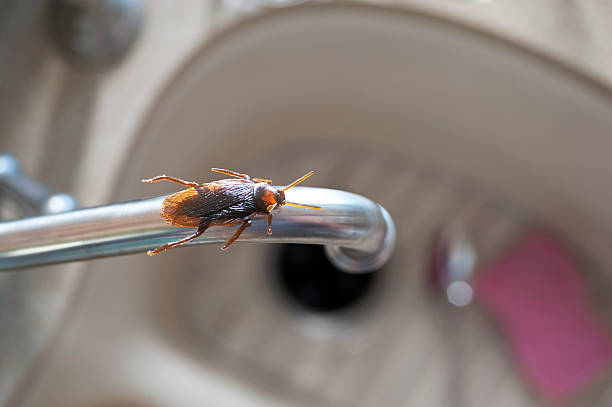
Roach in a kitchen Horizontal photograph of a roach on a kitchen water faucet. exterminator stock pictures, royalty-free photos & images

Effective Miami Gardens Pest Removal: Innovative Techniques for a Pest-Free Home

Cockroaches are among the most common and resilient pests found in homes. They not only cause structural damage but also pose significant threats to health by spreading diseases and contaminating food. Effective cockroach control requires a combination of innovative techniques, regular maintenance, and preventive measures. Below is a comprehensive guide to help you maintain a cockroach-free home.

Common Entry Points for Cockroaches

  • Cracks or gaps in walls, windows, and doors.
  • Plumbing fixtures such as sink drains or pipe openings.
  • Vents and utility lines connected to the exterior.
  • Grocery bags, cardboard boxes, or second-hand furniture.

Innovative Cockroach Control Techniques

  1. Gel Baits
    Gel baits are highly effective because they target colonies directly. These baits contain slow-acting insecticides that attract cockroaches, allowing them to carry the poison back to their nests.
  2. Insect Growth Regulators (IGRs)
    IGRs disrupt the reproductive cycle of cockroaches by preventing eggs from hatching or larvae from maturing into adults. This method ensures long-term population control.
  3. Boric Acid Applications
    Boric acid powder can be strategically applied in hidden areas like under appliances, sinks, or baseboards. When ingested or carried back to nests, it effectively kills cockroaches over time.
  4. Diatomaceous earth: A non-toxic powder that damages the exoskeleton of cockroaches upon contact.
  5. Essential oils: Peppermint oil and tea tree oil can repel roaches when diluted with water and sprayed around entry points.
  6. Smart Pest Monitoring Systems
    Advanced digital pest monitoring systems now allow homeowners to detect infestations early using sensors that track movement in high-risk areas.

Prevention Strategies for Long-Term Success

  • Seal Entry Points: Use caulk or weather-stripping around doors, windows, pipes, and vents to block access.
  • Store food in airtight containers.
  • Clean kitchen counters and floors daily.
  • Dispose of garbage regularly in sealed bins.
  • Eliminate Moisture Sources: Fix leaking pipes or faucets promptly since roaches thrive in damp environments.
  • Declutter Your Home: Avoid piling up newspapers, cardboard boxes, or other materials where roaches may hide.
  • Inspect New Items: Check groceries, packages, or used furniture before bringing them indoors.
Prevention Task Frequency
Clean kitchen surfaces Daily
Take out trash Daily
Inspect plumbing Monthly
Seal cracks/crevices As needed

When Professional Help is Necessary

  1. The infestation persists despite home treatment efforts.
  2. Sightings occur repeatedly during daylight hours (a sign of severe infestation).
  3. Structural damage caused by roach activity becomes apparent.

Professional exterminators use advanced tools like heat treatments, fumigation methods, and specialized insecticides that target even hard-to-reach nesting areas.

Effective cockroach control demands vigilance through proactive prevention measures paired with innovative techniques tailored to your home’s specific needs.

Effective Pest Control Service Miami Gardens FL: Creating a Pest-Resistant Environment in Your Home

Creating a pest-resistant environment in your home is a proactive approach to ensuring the safety, comfort, and hygiene of your living space. Pests such as rodents, insects, and termites not only cause structural damage but also pose health risks by spreading diseases. By implementing the right strategies, you can minimize the likelihood of an infestation. Below are actionable steps to create a pest-resistant environment effectively.

1. Eliminate Access Points

Pests often enter homes through small cracks or openings. Addressing these vulnerabilities can significantly reduce pest intrusion:
Seal Cracks and Crevices: Use caulk or weatherstripping to seal gaps around doors, windows, and utility pipes.
Install Door Sweeps: Add sweeps to exterior doors to block entry points for rodents and insects.
Repair Screens: Fix holes in window and door screens to prevent flying pests from getting in.

2. Maintain Cleanliness

Cleanliness plays a crucial role in deterring pests since many are attracted by food residue and clutter:
Keep Surfaces Clean: Wipe down countertops daily and promptly clean spills.
Store Food Properly: Use airtight containers for dry goods and refrigerate perishables.
Dispose of Trash Regularly: Empty garbage bins frequently, ensuring they have tightly sealed lids.

Cleaning Task Frequency Tools Needed
Countertop Wiping Daily Disinfectant Spray, Cloth
Vacuum Carpets Weekly Vacuum Cleaner
Garbage Disposal Twice Weekly Trash Bags

3. Manage Outdoor Spaces

The exterior of your home plays an integral role in pest prevention. Proper yard maintenance can help keep pests from migrating indoors:
Trim Vegetation: Keep branches and shrubs trimmed away from walls as they serve as bridges for pests.
Remove Standing Water: Empty items like buckets or birdbaths that collect water to eliminate mosquito breeding grounds.
Maintain Gutters: Clear leaves and debris that could attract nesting insects or rodents.

4. Monitor Moisture Levels

Excess moisture attracts various pests such as termites and cockroaches that thrive in damp conditions:
– Fix leaking pipes under sinks or behind walls promptly. – Utilize dehumidifiers in basements or other humid spaces. – Ensure proper ventilation in bathrooms and kitchens.

5. Use Preventive Products Safely

Consider using pest repellents or traps strategically around your home while adhering to safety guidelines: – Natural repellents (e.g., peppermint oil) can deter common household pests. – Bait stations work well for ants or roaches but should be placed out of reach of children or pets. – Install rodent traps near suspected entry points if signs of mice are detected.

6. Conduct Routine Inspections

Regular inspections allow you to identify early signs of infestation before they escalate: – Check wooden furniture for termite damage. – Look out for droppings, nests, or chew marks that may signify rodents. – Inspect pantry items regularly for stored-product pests like weevils.

By committing to these practices consistently, you can build a strong defense against potential infestations while preserving the comfort and safety of your home environment over time.


Understanding Miami Gardens FL Pest Control and Its Importance for Every Home

Exterminator Applying Pesticide with Sprayer Exterminator in work spraying pesticide or insecticide with sprayer exterminator stock pictures, royalty-free photos & images

Pest control refers to the process of managing, reducing, or eliminating unwanted pests from residential spaces, businesses, and other environments where they pose risks to health, safety, and property. These pests include insects such as ants, cockroaches, termites, rodents like mice or rats, and even wildlife in some cases. For homeowners specifically, understanding and implementing pest control measures is crucial for maintaining a safe and healthy living space.

Why Pest Control Is Essential

Ignoring pest problems can lead to significant consequences for your home and health.

  • Health Risks: Pests are known carriers of diseases that can affect humans. Cockroaches spread allergens that may trigger asthma attacks while rodents can transmit diseases such as hantavirus. Mosquitoes are notorious for spreading illnesses like dengue fever and malaria.
  • Property Damage: Insects such as termites or carpenter ants can cause severe structural damage to a home by eating through wood or other materials. Similarly, rodents often chew on wires or insulation which could lead to fire hazards.
  • Food Contamination: Pests frequently invade kitchens and storage areas in search of food. This can lead to contamination of food products with harmful bacteria such as Salmonella.
  • Mental Stress: A pest infestation often causes anxiety and stress for homeowners who may feel overwhelmed by the situation.

Common Types of Household Pests

Pest Type Associated Risks Signs of Infestation
Termites Structural damage Mud tubes near foundation or walls
Rodents (Mice/Rats) Disease transmission; electrical hazards Droppings; gnaw marks; scratching sounds
Ants Food contamination Trails leading to food sources
Cockroaches Allergens; disease spread Fecal droppings; unpleasant odor
Spiders Fear factor; potential venom risks Webs in corners

Benefits of Timely Pest Control

  1. Improved Health Conditions: Regular pest management minimizes exposure to harmful bacteria and allergens brought about by pests.
  2. Cost Savings on Repairs: Preventive measures reduce the likelihood of costly repairs due to termite damage or other issues.
  3. Peaceful Living Environment: No one wants to share their space with unwanted insects or rodents. Proper pest control ensures a comfortable home environment.
  4. Preservation of Property Value: A pest-free home maintains its market value better than one plagued with recurring infestations.

DIY vs Professional Pest Control

While many homeowners attempt do-it-yourself (DIY) methods using sprays or traps, these solutions often fail to address the root cause of an infestation effectively. Professional exterminators use specialized tools and techniques tailored to specific types of pests ensuring long-term results.

  • Accurate identification of pests
  • Customized treatment plans
  • Use of eco-friendly solutions
  • Long-term prevention strategies

Pest control isn’t just about eliminating visible insects but also about safeguarding your home from potential risks associated with infestations over time. A well-managed approach ensures a healthier living space while protecting your investment in property ownership.

Discover the Advantages of Hiring a Pest Control Company Miami Gardens FL for Your Property

When it comes to maintaining the comfort, safety, and health of your home or business, professional pest control services play a crucial role. Pests are not only a nuisance but can also pose significant risks to property and well-being. Relying on professional exterminators offers several benefits that go beyond basic DIY methods.

Targeted Pest Identification and Customized Solutions

One of the most significant advantages of working with professional exterminators is their ability to accurately identify pest infestations and provide tailored solutions.

  • The type of pest:Whether it’s rodents, ants, termites, or cockroaches.
  • The infestation severity:Assessing how widespread the problem is within your property.
  • Effective treatment plans:Choosing safe and targeted methods to eliminate pests without harming residents or pets.

Expert exterminators understand the behavior patterns of pests, enabling them to deliver highly effective results.

Long-Term Prevention Measures

Professional pest control services are not just about eliminating current infestations—they place a strong emphasis on preventing future problems.

  • Sealing entry points:Preventing access through cracks, crevices, or openings around doors and windows.
  • Environmental modifications:Addressing factors like standing water or clutter that attract pests.
  • Regular monitoring:Scheduled inspections to catch early signs of reinfestation.

These preventive measures reduce the likelihood of recurring issues.

Ensuring Health and Safety

Pest infestations can lead to various health concerns by spreading bacteria, allergens, and diseases.

Pest Type Potential Health Risks
Rodents Contaminate food supplies with droppings; spread diseases like Hantavirus.
Cockroaches Trigger asthma attacks; spread E.coli and Salmonella bacteria.
Mosquitoes Transmit illnesses such as West Nile virus or dengue fever.

Professional pest control minimizes these risks by ensuring thorough application of treatments designed to eradicate harmful organisms while protecting human health.

Cost-Effective Over Time

While DIY pest control may seem more affordable initially, it often leads to recurring problems that escalate in severity over time. Professional technicians use advanced tools and techniques that address infestations comprehensively at their source—saving time and reducing long-term costs associated with repeated treatments or structural damage caused by unchecked pests.

Peace of Mind Through Expertise

Hiring professionals provides confidence that your property is in capable hands. Fully licensed technicians stay up-to-date with industry standards for handling pesticides safely while offering environmentally responsible solutions for pest management.

By relying on professional pest control services, homeowners and property managers ensure effective elimination of pests while safeguarding both property value and personal health for years to come.

Exterminator Miami Gardens FL: Protect Your Home from Spiders, Stink Bugs, and Fall Pests

As the weather transitions into fall, a variety of pests begin seeking shelter in homes to escape the cooler temperatures. Understanding these pests and how to protect your property can save you from unnecessary stress and expenses. Below, we’ll cover some of the most common fall pests—such as spiders, stink bugs, and others—and outline effective strategies to keep them at bay.

Common Fall Pests

  1. These arachnids often seek out warm, undisturbed areas in basements, attics, or garages.
  2. Common species include the harmless house spider and more concerning ones like the black widow or brown recluse.
  3. Stink bugs use cracks in walls or windows to enter homes as temperatures drop.
  4. Known for their strong odor when crushed, they’re a nuisance rather than a threat.
  5. Rodents are year-round invaders but become especially active in fall as they look for food and warmth.
  6. They can chew through wires and insulation, creating safety hazards.
  7. These red-and-black insects are usually found on sunny exterior walls before sneaking indoors.
  8. They are harmless but can stain surfaces with their excrement.
  9. Cockroaches thrive in humid environments and come indoors during cooler months seeking food.

Signs of Fall Pest Infestations

  • Spider webs:Look for cobwebs in corners or unused spaces around your home.
  • Droppings:Evidence of rodents might include small droppings near food storage areas or along baseboards.
  • Shed skins:Stink bugs often leave behind their exoskeletons during molting seasons.
  • Unpleasant smells:A musty odor could indicate cockroach activity or hidden nests of stink bugs.

How to Prevent Fall Pest Intrusions

Seal Entry Points
– Inspect windows, doors, and vents for cracks or gaps where pests might enter. – Use caulk or weather stripping to secure openings around doors and window frames. – Install door sweeps on exterior entrances to block rodent access.

Reduce Indoor Attractants
– Store food in airtight containers to prevent attracting insects or rodents. – Empty trash bins regularly and keep lids tightly sealed. – Reduce moisture by fixing leaky pipes and using dehumidifiers if needed.

Maintain Outdoor Spaces
– Keep firewood at least 20 feet from the house since it can harbor spiders or rodents. – Trim back vegetation touching your home’s exterior walls to reduce pest access points. – Clear gutters of debris where pests may hide.

Pest control exterminator spraying termite or cockroach insecticide in the house Pest control guy taking care of all the cockroaches or termites in the house. Male exterminator in white protective work uniform crouching by kitchen wall and spraying insecticide from sprayer bottle exterminator stock pictures, royalty-free photos & images

Treatment Options for Persistent Pests

Pest Type Professional Treatment Options Timeframe
Spiders Targeted spraying; web removal Seasonal maintenance
Stink Bugs Perimeter sprays; vacuum removal Early fall before infestation peaks
Rodents Trapping; bait stations Ongoing monitoring
Boxelder Bugs Exterior barrier treatments Late summer through early fall
Cockroaches Bait gels; insect growth regulators Year-round prevention

Professional exterminators possess expertise in identifying entry points unseen by homeowners while providing eco-friendly solutions tailored to indoor safety.

Taking steps now will ensure a pest-free season while protecting your family’s comfort throughout fall months. By understanding which pests are likely culprits during this time of year—and how best to prevent them—you can maintain a clean living space free from unwanted intruders all season long.

Effective Miami Gardens Pest Removal: The Importance of Hiring Experts for Wasp Control and Prevention

Wasps can be a significant nuisance around homes, particularly during warmer months when they are most active. While wasps play an important ecological role by preying on other pests and aiding in pollination, their aggressive nature and painful stings make them unwelcome visitors in residential areas. Addressing a wasp problem requires expertise to ensure the safety of your household and prevent recurring infestations. This is where hiring professional exterminators becomes vital.

Why Professional Wasp Control is Necessary

Dealing with wasps on your own can be risky, especially if you lack the knowledge or tools required for safe removal.

  • Safety Concerns: Wasps can become highly aggressive when their nests are disturbed, leading to multiple stings that may cause severe allergic reactions in some individuals.
  • Proper Identification: Professionals can accurately identify the species of wasp (e. g. , paper wasps, yellowjackets, or hornets) to tailor removal strategies.
  • Effective Removal: Experts utilize specialized tools and insecticides designed for safe and efficient nest removal without endangering surrounding areas.
  • Long-Term Prevention: Beyond immediate removal, professionals implement preventative measures to discourage future nesting and reduce the likelihood of re-infestation.

Signs You May Need Wasp Control Services

Understanding when it’s time to call a professional can save you time and money while reducing risks.

  • You notice frequent wasp activity near your home or garden.
  • A visible nest has formed in high-risk areas such as doorways, attics, or under eaves.
  • Family members are experiencing increased fear or anxiety due to persistent wasp sightings.
  • There’s a history of allergic reactions to insect stings within your household.

Key Benefits of Professional Wasp Control

Benefit Explanation
Expertise Trained technicians know how to safely handle aggressive insects.
Customized Solutions Professionals assess your property to create tailored prevention plans.
Reduced Health Risks Minimizes exposure to stings and harmful DIY chemical applications.
Eco-Friendly Options Many exterminators use environmentally conscious products where possible.

Preventative Measures Recommended by Experts

After removing existing nests, pest control specialists often share tips for avoiding future infestations.

  1. Check for cracks or gaps around windows, doors, vents, and utility lines.
  2. Use caulk or weather stripping as needed.
  3. Keep garbage bins tightly sealed.
  4. Avoid leaving sugary drinks or food scraps outdoors.
  5. Regularly inspect eaves, attics, sheds, or garages for early signs of nest-building activity.
  6. Trim overgrown shrubs or tree branches near your home.
  7. Wasps are territorial creatures; hanging decoy nests may discourage them from building nearby.

Hiring professionals is not just about addressing current infestations but also about protecting your property year-round through preventive care strategies tailored specifically for your environment’s needs.

Effective Pest Control Service Miami Gardens FL: Addressing Fire Ant Infestations in Your Home

Fire ants are among the most aggressive and resilient pests that can infiltrate your home or yard. These invasive insects are not only a nuisance but also pose significant risks to people, pets, and property.

Characteristics of Fire Ants

  • Appearance: They are reddish-brown in color with darker abdomens, typically measuring 1/8 to 1/4 inch in length.
  • Behavior: Known for their aggressive nature, fire ants will attack intruders en masse if their mound is disturbed.
  • Colonies: A single fire ant queen can lay thousands of eggs per day, leading to rapid colony growth.
  • Mounds: Their nests often appear as large dome-shaped mounds in open areas such as lawns or gardens.

Risks Associated with Fire Ants

Fire ants can be more than just a nuisance.

  1. Fire ants deliver painful stings that can cause itching, swelling, and even allergic reactions in sensitive individuals.
  2. Multiple stings from a swarm can escalate discomfort and increase health risks.
  3. Fire ant colonies often disrupt the soil structure around homes, gardens, or electrical equipment.
  4. They have been known to chew through cables or wires, leading to costly repairs.
  5. Pets or livestock that interact with fire ant mounds may suffer severe stings.
  6. In some cases, these stings can lead to infections or complications requiring veterinary attention.

How Fire Ant Infestations Occur

  • Searching for food sources such as sugary substances or proteins left exposed.
  • Seeking shelter during heavy rains or floods; they are excellent survivors in harsh conditions.
  • Migrating from nearby untreated properties where colonies already exist.

Steps to Address Fire Ant Infestations

  1. Regularly inspect your yard for signs of visible mounds.
  2. Take note of pathways where you see worker ants traveling back-and-forth with food.
  3. Use bait-based insecticides designed specifically for fire ants; this allows workers to carry poison back to the colony for effective elimination.
  4. Treat individual mounds with specialized liquid insecticides when necessary.
  5. Keep food sealed properly indoors and clean up crumbs immediately after meals.
  6. Regularly mow lawns and trim shrubs around your home’s perimeter as overgrowth can attract pests like fire ants.
  7. Consult Professional Exterminators: If DIY efforts do not yield results or if the infestation is widespread, hiring pest control experts is essential. Professionals have access to advanced treatments capable of eradicating entire colonies efficiently while minimizing risks for humans and pets.

Pest Control Exterminator Services Spraying Insecticide Pest Control Exterminator Services Spraying Termite Insecticide exterminator stock pictures, royalty-free photos & images

Recommended Actions DIY Efforts Professional Services
Inspection & Monitoring ✔️ ✔️
Use of Baits/Insecticides ✔️ ✔️
Long-Term Colony Management Limited Comprehensive
Safety Measures for Children/Pets Moderate High

Prevention Tips for Long-Term Protection

  • Fill cracks in walls, foundations, or entry points where fire ants might migrate indoors.
  • Remove standing water near your home since moisture attracts pests.
  • Store garbage bins tightly sealed away from living areas outside your house.

Understanding fire ant behavior combined with proactive measures can protect your home effectively over time while ensuring the safety of all occupants.

Debunking Common Wasp Myths: Facts Every Homeowner Should Know

Effective pest control begins with separating fact from fiction, especially when dealing with wasps. Misconceptions about these stinging insects can lead to fear, mismanagement, or even harm to beneficial species in your environment. Let’s explore some of the most common myths about wasps and uncover the real facts every homeowner should understand.

Myth 1: All Wasps Are Aggressive and Dangerous

Fact: While it’s true that certain wasp species can become defensive when their nests are threatened, not all wasps are inherently aggressive. Many species, such as paper wasps or solitary wasps, prefer to avoid confrontation unless provoked. Understanding their behavior is key to managing interactions safely.

Myth 2: Wasps Serve No Purpose in the Ecosystem

Fact: Wasps play an essential role in maintaining ecological balance. They help control populations of harmful insects by preying on them and act as natural pollinators for plants. By reducing pest populations naturally, they contribute significantly to agriculture and garden health.

Myth 3: Destroying a Wasp Nest Is Enough to Eliminate Them

Fact: Removing a visible nest may not address the problem entirely. Some species build their nests underground or in hidden crevices that are hard to locate without professional expertise. Additionally, if the queen survives, she may establish a new colony nearby. A comprehensive approach is needed for long-term solutions.

Ways to Safely Deal with Wasps

If you’re dealing with a wasp problem at home, consider these tips for effective management:
Avoid DIY Nest Removal:Attempting to remove a nest without proper gear or expertise can escalate aggression and lead to painful stings.Seal Entry Points:Inspect your property for cracks, holes, and other access points that might allow wasps inside.Limit Attractants:Remove food sources like uncovered trash bins, sugary drinks left outdoors, or ripe fruit trees near your home.Call Professionals:Experienced exterminators have the tools and knowledge necessary for safe nest removal and prevention strategies.

Wasp Management Tip Why It Matters
Remove outdoor food debris Reduces attractants that encourage nesting nearby
Inspect eaves and ledges regularly Helps spot nests early before colonies grow large
Use yellow light bulbs outdoors Deters insects attracted to bright white light

Myth 4: All Wasp Species Build Nests

Fact: Not every wasp builds a traditional nest. Solitary wasp species like mud daubers create small mud structures rather than large communal hives. Recognizing different types of nests can help you determine which species you’re dealing with.

Myth 5: Wasps Die Off Completely During Winter

Fact: While worker wasps often die off when temperatures drop, queens typically hibernate through winter in protected areas such as tree bark or even inside homes. This survival strategy allows them to establish new colonies come springtime.

Why Understanding These Myths Matters

Addressing common misconceptions about wasps empowers homeowners with accurate information for better pest management decisions. Rather than fearing these insects outright or taking unnecessary risks through DIY methods, focus on preventive actions and professional assistance when needed for effective control year-round.

How Professional Exterminators Can Safeguard Your Home Against Pests Year-Round

Pests are not just a seasonal nuisance; they can invade your home throughout the year, bringing potential health risks and property damage. Professional exterminators play a crucial role in maintaining a pest-free environment by using expertise, advanced tools, and preventive measures tailored to each season. Below is an overview of how exterminators ensure your home stays protected year-round.

Identifying Seasonal Pest Threats

Different pests are active during different times of the year, which makes it essential to adapt control methods accordingly.

  • Spring: Focus on termites, ants, and wasps as they emerge to build colonies.
  • Summer: Increased activity from mosquitoes, flies, and rodents due to warm weather.
  • Fall: Spiders and stink bugs seek shelter indoors as temperatures drop.
  • Winter: Rodents and cockroaches invade homes to escape the cold.

By understanding these patterns, exterminators create customized plans tailored to the specific threats of each season.

Methods Used by Professional Exterminators

  1. Conducting thorough inspections to identify entry points, nesting areas, and signs of infestations.
  2. Assessing environmental factors such as humidity levels or clutter that may attract pests.
  3. Using targeted treatments for different pests instead of generalized approaches.
  4. Implementing eco-friendly options when requested or required.
  5. Combining chemical treatments with non-chemical strategies like exclusion techniques.
  6. Educating homeowners on preventive measures like sealing entry points or proper sanitation practices.
  7. Scheduling periodic visits to ensure pests do not return.
  8. Reassessing treatment plans based on new developments or changing seasons.

Benefits of Year-Round Pest Control Services

Benefit Explanation
Health Protection Prevents diseases spread by insects like mosquitoes (e.g., West Nile virus).
Property Preservation Reduces structural damage caused by termites or rodents chewing through wood.
Stress-Free Living Eliminates the anxiety associated with unexpected infestations.
Cost Savings Preventive measures reduce costly repairs in the long term.

Preventive Tips for Homeowners

  • Seal cracks around windows and doors to block pest entry points.
  • Keep kitchen surfaces clean and store food in airtight containers to prevent attracting ants or roaches.
  • Trim overgrown vegetation near your home’s foundation that could harbor insects or rodents.
  • Store firewood away from your house to avoid termite infestations.

Why Choose Professionals Over DIY Solutions

Although DIY methods might seem cost-effective initially, they often fail to address root causes or provide long-term results. Professionals bring specialized expertise that ensures efficient eradication while minimizing risks associated with improper pesticide usage. Their knowledge allows them to identify infestation patterns early—saving homeowners from more significant problems down the line.

Year-round pest control is a critical investment for any homeowner aiming for a healthier and safer living environment. By partnering with professional exterminators, you can protect your property from seasonal threats while ensuring peace of mind throughout the year.

Key Reasons to Invest in Comprehensive Pest Control Solutions for a Healthier Living Environment

Pest infestations are more than just an inconvenience. They pose significant risks to health, property, and overall well-being. Investing in comprehensive pest control solutions is not only a proactive approach but also an essential step toward maintaining a safe and comfortable living space.

Health Benefits of Pest Control

Pests are known carriers of diseases and allergens that can severely impact human health.

  • Disease Prevention: Rodents, cockroaches, and mosquitoes are common vectors for diseases such as Salmonella, Hantavirus, and West Nile Virus. Regular extermination minimizes exposure to these pathogens.
  • Allergy Reduction: Insects like cockroaches or dust mites can trigger allergies and asthma symptoms, particularly in children or sensitive individuals. Controlling these pests improves indoor air quality.
  • Food Safety: Pests often contaminate stored food supplies with droppings, urine, or saliva. Eliminating infestations ensures safe consumption of food products.

Protecting Property from Damage

Unchecked pest activity can result in costly damage to your property over time.

  • Structural Integrity: Termites and carpenter ants can compromise the structural stability of your home by targeting wood materials.
  • Electrical Safety: Rodents chew through wires, potentially creating fire hazards.
  • Furniture Preservation: Moths and beetles cause noticeable damage to furniture fabrics and carpets.
Pest Common Damage Caused Examples
Termites Structural damage Weakening wooden foundations
Rodents Electrical hazards Chewing on wires
Carpet Beetles Furniture damage Holes in upholstery or rugs

Preventive Measures for Long-Term Results

  1. Routine inspections to identify early signs of pest activity.
  2. Sealing entry points like cracks, crevices, or gaps around windows and doors.
  3. Advising on sanitation practices that discourage pests from thriving indoors.
  4. Safe application of treatments tailored to specific pest problems.

Cost-Efficiency Over Time

While some homeowners may hesitate over the initial cost of professional services, comprehensive solutions save you money long term by preventing expensive repairs caused by unchecked infestations or recurring problems due to ineffective DIY methods.

Promoting Peace of Mind

A home free from pests creates a comfortable environment where you can focus on daily activities without distraction or concern over potential health risks or property damage.

In summary, investing in pest control solutions is not only about eliminating visible issues but also ensuring the safety, comfort, and longevity of your home environment through proactive prevention measures carried out by experts in the field.


Effective Pest Control Methods from a Trusted Pest Control Company Miami Gardens FL

Man Spraying Pesticide In Kitchen Man Spraying Pesticide Inside The Wooden Cabinet In The Kitchen exterminator stock pictures, royalty-free photos & images

1. Biological Pest Control

Biological pest control is an eco-friendly method that utilizes natural predators or parasites to reduce pest populations. This method is particularly effective for outdoor areas such as gardens and agricultural settings.

  • Introducing ladybugs to manage aphids in gardens.
  • Releasing beneficial nematodes to target soil-dwelling pests.
  • Using parasitic wasps against caterpillars and other harmful insects.
  • Non-toxic and environmentally sustainable.
  • Targets specific pests without harming beneficial organisms.
  • Requires proper knowledge of ecological balance.
  • May take time for results to become visible.

2. Chemical Pest Control

Chemical pest control involves the use of pesticides or insecticides to eradicate pests quickly and effectively. While chemical methods are widely used due to their effectiveness, they should be handled cautiously considering potential health risks.

  • Common types of chemicals used:
    | Pesticide Type | Target Pests | Examples |
    |——————|—————————|————————————|
    | Insecticides | Insects (ants, cockroaches) | Pyrethroids, Organophosphates |
    | Rodenticides | Rodents (mice, rats) | Anticoagulants, Bromethalin |

    • Always follow the label instructions provided by manufacturers.
    • Store pesticides in childproof containers away from food.
    • Use personal protective equipment (PPE) like gloves and masks during application.

3. Mechanical Pest Control

Mechanical methods focus on physically removing or preventing pests using traps, barriers, or exclusion techniques.

  • Setting up sticky traps for flies or spiders.
  • Installing mesh screens on windows and doors to keep mosquitoes out.
  • Using rat traps or glue boards for rodents.
  • Immediate results with no reliance on chemicals.
  • Cost-effective solutions for smaller infestations.
  • Labor-intensive processes may not be suitable for large-scale infestations.
  • Limited impact on insect larvae or eggs without additional treatment methods.

4. Cultural/Preventative Control

Preventative measures aim at creating an environment that is less attractive or accessible to pests in the first place. This long-term approach is ideal for maintaining a pest-free home environment over time.

  • Regularly cleaning kitchens and dining areas to eliminate food crumbs.
  • Sealing cracks in walls and gaps around windows or doors.
  • Properly storing food in airtight containers.
  • Managing waste by taking out garbage frequently and properly covering bins.
Preventive Action Expected Outcome
Seal entry points Blocks access for pests like rodents
Remove standing water Reduces breeding grounds for mosquitoes
Proper waste management Lowers risk of cockroach infestations

Understanding these diverse methods empowers homeowners not only to address existing pest problems but also to implement long-term solutions that prevent future invasions from occurring altogether. By combining these approaches where necessary—such as integrating preventative measures with biological controls—you can achieve comprehensive protection against unwanted pests while minimizing environmental impact.

The Importance of IPM in Effective Pest Control with an Exterminator Miami Gardens FL

Integrated Pest Management (IPM) is a comprehensive approach to managing pest populations in an environmentally responsible and sustainable way. It combines multiple strategies to minimize the impact of pests while reducing reliance on chemical pesticides. This method is not only effective but also promotes long-term pest control solutions, making it a preferred choice for residential, agricultural, and commercial settings.

Key Principles of IPM

  1. Focuses on eliminating conditions that attract pests.
  2. Examples include sealing entry points, improving sanitation practices, and maintaining structural integrity.
  3. Regularly inspecting areas for signs of pest activity.
  4. Identifying pests accurately to ensure appropriate measures are taken.
  5. Using targeted methods to manage pests with minimal risk to humans and the environment.
  6. Approaches include biological controls, mechanical traps, cultural practices, and selective use of chemical treatments.

Advantages of Using IPM

  • Reduced Health Risks: By limiting pesticide use, IPM decreases exposure to harmful chemicals for both humans and pets.
  • Environmental Protection: Promotes the use of eco-friendly methods like natural predators or barriers instead of broad-spectrum pesticides.
  • Cost-Effective: Preventative measures reduce expensive infestations in the long run.
  • Sustainable Outcomes: Reduces the likelihood of pests developing resistance to treatments.

Components of an Effective IPM Strategy

Component Description
Biological Control Utilizing natural predators (e.g., ladybugs against aphids).
Cultural Practices Modifying environmental factors like irrigation or crop rotation to deter pests.
Mechanical Methods Physical barriers such as screens or traps that block or capture pests.
Chemical Control Limited and targeted application of pesticides when necessary.

How IPM Works in Homes

  1. Inspect potential problem areas like basements, attics, kitchens, or gardens regularly.
  2. Identify entry points such as cracks or gaps around windows, doors, or pipes and seal them effectively.
  3. Sticky traps for insects like cockroaches.
  4. Essential oil-based repellents against mosquitoes or ants.
  5. Use products labeled safe for household use under professional guidance.
  6. Follow all safety instructions thoroughly.

Why Is IPM Important?

  • Damage to beneficial insect populations like pollinators (bees).
  • Contamination of water sources due to runoff from treated surfaces.

IPM addresses these challenges by combining science-driven practices with practical knowledge tailored specifically for each environment.

By adopting Integrated Pest Management strategies at home or workspaces, you not only tackle current pest problems but also establish safeguards against future infestations — all while supporting healthier ecosystems nearby.

Understanding Miami Gardens Pest Removal: Risks, Safety Measures, and Human Impact

Pesticides are an effective tool for managing pests in both residential and commercial spaces. However, their use comes with certain risks to human health if not handled properly. Understanding these risks and adopting appropriate safety measures is essential for minimizing potential harm.

Potential Risks of Pesticides to Humans

  • Acute Health Effects:
    Short-term exposure to high levels of pesticides can lead to symptoms such as headaches, dizziness, nausea, skin irritations, or respiratory distress. Severe cases may involve poisoning.
  • Chronic Health Effects:
    Prolonged or repeated exposure to certain pesticides has been linked to long-term health issues like hormone disruption, reproductive challenges, neurological disorders, or even cancer.
  • Allergic Reactions:
    Some individuals may experience allergic reactions when exposed to specific pesticides, resulting in rashes, breathing difficulties, or other hypersensitivity symptoms.

pest control worker lying on floor and spraying pesticides in bedroom pest control worker lying on floor and spraying pesticides in bedroom. exterminator stock pictures, royalty-free photos & images

Common Exposure Pathways

  1. Inhalation – Breathing in pesticide fumes or spray during applications.
  2. Dermal Contact – Absorption through the skin from spills or residues on treated surfaces.
  3. Ingestion – Consuming contaminated food or water.
  4. Eye Contact – Accidental splashes that come into contact with the eyes.

Recommended Safety Measures

  • Read Labels Carefully:
    Always follow manufacturer instructions regarding application rates and safety precautions.
  • Wear Protective Gear:
    Equip yourself with gloves, masks, goggles, and long-sleeved clothing during application.
  • Ventilation Is Key:
    Apply pesticides in well-ventilated areas to reduce inhalation risk.
  • Secure Storage Practices:
    Store all pesticides out of reach of children and pets in a cool and dry place.
  • Avoid Overuse:
    Applying excessive amounts increases pesticide residues in your environment without necessarily improving effectiveness.

Comparing Low-Toxicity vs High-Toxicity Pesticides

Type Features Example Uses
Low-Toxicity Minimal risk to humans; biodegradable Indoor plants; gardens
High-Toxicity Requires stringent precautions Severe infestations (e.g., termites)

Alternatives to Consider

  1. Biological Controls: Using natural predators like ladybugs for aphid control.
  2. Cultural Practices: Proper sanitation and waste management discourage pest activity.
  3. Mechanical Barriers: Installing screens or sealing cracks limits pest entry points indoors.

Using safer alternatives alongside limited chemical usage creates an integrated approach that protects both your home and your family’s well-being long term.

By understanding how pesticides interact with humans and adhering strictly to safety recommendations during their application or storage process—risks can be effectively contained without compromising effectiveness against pests.

Effective Pest Control Service Miami Gardens FL: Methods to Safeguard Your Home from Unwanted Pests

Pests can cause significant distress and damage if left unchecked, making pest control an essential aspect of home maintenance. Here are four effective types of pest control methods designed to keep your home safe and pest-free.

1. Physical Pest Control

Physical pest control involves using manual or mechanical techniques to eliminate or prevent pests in your home. This method is ideal for targeting specific pests without the use of chemicals.

  • Setting traps for rodents.
  • Installing screens, barriers, or nets to block pests like flies or mosquitoes.
  • Sealing cracks and crevices that serve as entry points for ants or cockroaches.
  • Safe for humans and pets when executed correctly.
  • Environmentally friendly as it avoids the use of harmful substances.

2. Biological Pest Control

Biological pest control relies on natural predators or organisms to manage pest populations. This eco-friendly method is particularly useful for addressing outdoor pests that can migrate into your home.

  • Introducing ladybugs to reduce aphid populations around your garden.
  • Utilizing nematodes to eliminate soil-borne pests like termites and grubs.
  • Sustainable and environmentally friendly in the long term.
  • Helps maintain ecological balance without disrupting surrounding ecosystems.

3. Chemical Pest Control

Chemical methods involve the use of pesticides, insecticides, or other chemical treatments to eradicate pests effectively. While highly efficient, this method requires careful application due to potential risks.

Type Common Uses Caution
Insecticides To target insects like ants or cockroaches. Follow manufacturer instructions strictly.
Rodenticides To eliminate rats and mice. Ensure they are placed away from children and pets.
Fungicides To manage mold, mildew, or fungi. Apply with ventilation; avoid inhaling fumes.
  • Highly effective for severe infestations.
  • Available in various forms such as sprays, powders, or baits.
  • Important Note: Always consult a professional before using chemical treatments in sensitive areas such as kitchens or near children.

4. Cultural Pest Control

Cultural methods focus on modifying environments to deter pests naturally by removing food sources, water access points, or suitable breeding grounds.

  • Regularly clean surfaces where food is prepared and consumed.
  • Avoid standing water around the property since it can serve as a breeding ground for mosquitoes.
  • Store food in airtight containers to deter pantry pests such as weevils.
  • Preventative rather than reactive approach.
  • Cost-effective with long-term results if implemented consistently.

Final Thoughts

Choosing the right pest control method depends on factors such as the type of pest you’re dealing with, the extent of infestation, and environmental concerns. While some methods (like cultural controls) focus on prevention through lifestyle changes, others (like chemical treatments) address immediate infestations effectively but require caution when used indoors. For complex situations requiring expert knowledge—especially those involving hazardous chemicals—it’s often wise to consult with licensed professionals who can tailor solutions specifically for your needs while ensuring safety guidelines are met properly.

The Importance of Miami Gardens FL Pest Control for Commercial Properties

Effective pest control is a critical aspect of maintaining a safe and healthy environment in commercial properties. Unlike residential spaces, commercial properties face unique challenges due to their size, complexity, and the variety of activities conducted within them. Professional pest control services offer tailored solutions that ensure businesses remain operational while safeguarding health standards, property, and reputation.

The Risks of Pest Infestation in Commercial Properties

  • Health Hazards: Pests can contaminate food and surfaces with bacteria such as Salmonella or E. coli. This is particularly problematic for food service establishments.
  • Property Damage: Termites can destroy wooden structures, while rodents may chew through wiring or insulation.
  • Reputation Damage: A single pest sighting can harm a business’s reputation, especially for restaurants or hotels.
  • Regulatory Non-compliance: Many industries must adhere to strict hygiene regulations; failing to manage pests could lead to fines or shutdowns.

Benefits of Hiring Professional Pest Control Services

  1. Trained professionals conduct thorough inspections to identify current infestations as well as potential vulnerabilities.
  2. They assess structural issues like cracks or gaps where pests could enter.
  3. Experts tailor pest control strategies based on the specific needs of the property type (e.g., warehouses vs. retail spaces).
  4. Treatments account for industry-specific risks such as food safety requirements.
  5. Professionals implement preventive actions like sealing entry points or installing traps.
  6. They advise on long-term practices to reduce future risks (e.g., proper waste management).
  7. Licensed technicians safely apply pesticides if necessary while complying with environmental regulations.
  8. Eco-friendly solutions are often available for businesses seeking sustainable pest control options.
  9. Treatments are scheduled during off-hours to avoid disrupting business operations.
  10. Professionals work efficiently to eliminate infestations quickly.

video thumbnail

Cost Comparison Table: DIY vs Professional Services

Aspect DIY Pest Control Professional Pest Control
Initial Cost Lower upfront costs Higher initial investment
Long-Term Effectiveness Often temporary; recurrence likely Long-lasting results
Safety Concerns Risk of improper chemical handling Safe application by trained staff
Time Commitment Time-intensive Minimal time required from owner

Industries That Benefit Most from Professional Pest Control

  • Food Service & Hospitality: Restaurants, cafes, hotels
  • Healthcare Facilities: Hospitals and nursing homes
  • Retail & Warehousing: Storage facilities prone to rodent activity
  • Offices & Commercial Buildings: Spaces with frequent human activity

Investing in professional pest control ensures compliance with industry standards while protecting employees and customers from potential health risks caused by pests. It also helps maintain the reputation and longevity of the business premises.

Protecting Your Property with the Most Effective Bait for Termite Elimination

Termites are among the most destructive pests that can infest your property, causing significant structural damage if left untreated. One of the most effective strategies for managing a termite infestation is the use of baits. Unlike traditional chemical treatments, baiting systems target termite colonies directly, ensuring long-term control while minimizing environmental impact. Below is a detailed overview of how bait systems work and why they are an effective solution for termite elimination.

How Do Termite Baits Work?

Termite bait systems involve placing bait stations strategically around your property to intercept termites as they forage for food. These stations contain specially formulated substances that attract termites and serve as slow-acting toxicants to collapse their colonies.

  1. Attracting Termites: The bait contains cellulose, a material termites naturally consume in wood.
  2. Slow-Acting Toxins: The active ingredient in the bait affects termites slowly, allowing them to return to their colony and share it with others through grooming or feeding.
  3. Colony Elimination: Over time, the toxin spreads throughout the colony, leading to its decline and eventual eradication.

Advantages of Termite Bait Systems

  • Environmentally Friendly
    Bait systems use minimal amounts of active ingredients compared to chemical soil treatments, reducing environmental risks.
  • Targeted Approach
    Instead of treating large areas indiscriminately, baits focus on eliminating specific infestations at their source.
  • Long-Term Protection
    Many modern bait systems continuously monitor and protect properties from new infestations after initial treatment.
  • Non-Invasive Installation
    Unlike chemical barriers that may require trenching or drilling into foundations, bait systems are less disruptive during installation.

Types of Termite Bait Systems

Type Description Best Use Case
In-Ground Bait Stations Placed in soil around your property For outdoor protection and monitoring
Above-Ground Bait Stations Installed directly on active infestation sites For immediate treatment inside structures

Choosing between these options depends on whether you’re dealing with an existing infestation or trying to prevent one.

Tips for Using Termite Baits Effectively

  • Regularly inspect and maintain bait stations to ensure they remain active.
  • Consult professional pest control experts who can strategically install and monitor stations.
  • Combine baits with other preventive measures like reducing moisture levels around your property or sealing cracks in walls and foundations.

By understanding how termite baits work and implementing them effectively, you can safeguard your home from costly damage while contributing to safe pest management practices.

Certified and Licensed Pest Control Solutions to Safeguard Your Home

When it comes to protecting your home from pests, having certified and licensed pest control professionals is essential. These experts offer services that not only ensure effective pest elimination but also prioritize health, safety, and environmental care. Here’s why certified pest control solutions stand out and how they contribute to safeguarding your home.

Benefits of Certified Pest Control Solutions

  1. Licensed professionals undergo rigorous training to understand different types of pests, their behavior, and the most effective extermination methods.
  2. This expertise allows them to identify infestations early and apply targeted solutions.
  3. Certified exterminators use pesticides and other chemicals that are approved by regulatory bodies like the EPA (Environmental Protection Agency).
  4. They ensure these substances are applied in appropriate quantities to minimize risks to humans, pets, and the environment.
  5. Every home is different, and so are its pest control needs. Professionals design customized strategies based on factors such as the type of infestation, property layout, and level of risk.
  6. Beyond removing current infestations, certified services often include preventive measures such as sealing entry points or setting up monitoring systems for recurring issues.

What Makes a Pest Control Service “Certified”?

Requirement Description
Education & Training Completion of courses on pest biology, pesticide application, safety protocols
Licensure by Local Authorities Must pass exams set by state/country regulatory boards
Continuing Education Requirements Periodic renewal of licenses through additional training
Adherence to Legal Standards Compliance with federal/state pesticide regulations

These qualifications ensure that any service provided is both effective and safe.

Ensuring Safety During Treatments

  • Proper Application Techniques: Preventing overuse or misapplication that could harm non-target organisms.
  • Protective Measures: Use of personal protective equipment (PPE) for technicians and guidance for homeowners during treatments.
  • Post-Treatment Guidelines: Instructions on when it’s safe to re-enter treated areas or resume normal activities in your home.

How Homeowners Can Verify Certification

  • Request proof of license or certification from relevant authorities.
  • Research online reviews or ratings from trusted platforms.
  • Ask about the company’s compliance with local or federal pesticide regulations.
  • Check if their technicians receive ongoing training in advanced techniques.

Choosing a certified pest control service gives peace of mind knowing your property is managed by professionals who prioritize both effectiveness and safety.


Effective Miami Gardens Pest Removal for Homes and Businesses

Pest Control Exterminator Services Spraying Insecticide Pest Control Exterminator Services Spraying Cockroach Insecticide exterminator stock pictures, royalty-free photos & images

Pest control plays a critical role in maintaining the health, safety, and overall well-being of both residential and commercial spaces. Left unchecked, pests such as insects, rodents, and birds can cause significant structural damage, spread diseases, and lead to costly repairs. Here’s an overview of why pest control is indispensable for homes and businesses.

Protect Health and Prevent Disease

Pests are known carriers of various harmful pathogens that can pose serious health risks to humans.

  • Rodents: Spread diseases such as Hantavirus, Salmonella, and Leptospirosis.
  • Cockroaches: Trigger allergies and asthma while also carrying bacteria like E. coli.
  • Mosquitoes: Transmit illnesses such as West Nile Virus, Dengue Fever, and Malaria.

Avoid Property Damage

Structural damage caused by pests can compromise the integrity of buildings over time.

  • Termites: These insects feed on wood structures like beams, flooring, or furniture.
  • Rodents: Chew through electrical wiring, which increases the risk of fire hazards.
  • Carpenter Ants: Hollow out wood to create nests within walls or ceilings.

Timely intervention not only prevents costly repairs but also helps preserve property value.

Maintain Food Safety Standards

  • Rodents may leave droppings near food supplies.
  • Insects like flies or cockroaches introduce bacteria into stored goods.

Strict pest management ensures compliance with regulatory standards related to hygiene while protecting consumers from potential harm.

Improve Comfort Levels

Pests create discomfort through noise (e. g. , rodents scurrying), unpleasant odors (e. g. , decaying insect carcasses), or visible infestations (e. g. , ant trails). A pest-free environment enhances comfort for residents at home and employees in workplaces.

Key Benefits of Professional Pest Control Service Miami Gardens FL

Professional exterminators are equipped with specialized expertise to address infestations effectively.

Benefit Description
Tailored Solutions Professionals assess your property’s unique needs before applying treatments.
Advanced Technology Use of modern equipment such as thermal imaging for detecting hidden pests.
Long-term Prevention Focused on not just removal but also preventative measures to avoid recurrence.

Tips for Ongoing Pest Prevention

  1. Seal Entry Points
    Inspect windowsills, doors, vents—and seal gaps to block access routes for pests.
  2. Dispose of garbage promptly using sealed bins.
  3. Clean up food crumbs from counters and floors immediately after meals.
  4. Eliminate Standing Water
    Stagnant water serves as a breeding ground for mosquitoes; check gutters or outdoor drains regularly.
  5. Store Food ProperlyKeep food items in airtight containers instead of leaving them exposed on countertops.
  6. Conduct Regular InspectionsRoutinely inspect attic spaces/basements where infestations often originate undisturbed.

When combined with professional treatment plans tailored specifically toward individual requirements — sustainable long-term results become achievable thereby ensuring healthy living conditions suitable across diverse scenarios whether urban residential settings OR commercial industries alike

Top Miami Gardens FL Pest Control Solutions to Protect Your Space

Bed bugs are one of the most challenging pests to control due to their small size, rapid reproduction, and ability to hide in hard-to-reach areas. Their presence can cause discomfort, health issues, and even psychological stress for homeowners and business owners alike. Implementing effective bed bug control methods is essential for protecting your living or working space. Below are proven strategies and techniques to manage bed bug infestations.

Signs of Bed Bug Infestation

To effectively address a bed bug problem, it’s important to first identify the signs of their presence.

  • Bites on skin: Small, red, itchy welts often appearing in a linear or clustered pattern.
  • Bloodstains on sheets or furniture: Tiny blood spots may appear where bed bugs have been crushed.
  • Fecal spots: Dark-brown or black stains on mattresses, bedding, or walls caused by bed bug excrement.
  • Shed skins: As they grow, bed bugs shed their outer layer; these casings often accumulate near hiding spots.
  • Live bugs: Adult bed bugs are small (about the size of an apple seed) and reddish-brown in color.

A thorough inspection is critical for locating infested areas.

Location Inspection Tips
Mattresses Check seams, tufts, folds, and tags closely
Upholstered Furniture Inspect cushions and underneath fabric
Cracks & Crevices Examine baseboards, electrical outlets, etc.

Professional pest control services often utilize specialized equipment like flashlights or magnifiers for detailed inspections.

While chemical treatments are common, non-chemical options can also be effective in certain cases: – Vacuuming: Regularly vacuum affected areas such as mattresses and carpets to remove live insects.Hot Washing & Drying: Wash infested clothing or linens at high temperatures (above 120°F). Use a hot dryer setting afterward.Steam Cleaning: Apply steam (at least 130°F) directly on mattresses or furniture where pests are present.Encasements: Seal mattresses and box springs in certified bed-bug-proof encasements.

Chemical treatments can provide effective long-term relief when applied correctly: – Insecticides: Use approved products specifically designed for residential use. – Common active ingredients include pyrethrins or neonicotinoids. – Always follow application instructions carefully.Dust Treatments: Silica-based dusts disrupt a bed bug’s waxy coating leading to dehydration.

For severe infestations that cannot be managed with DIY methods alone: 1. Hire licensed pest professionals trained in advanced treatment techniques like heat treatments (whole-room heating). 2. Professionals may use fumigation techniques if other measures prove ineffective.

Preventive Measures Against Bed Bugs

Preventing future infestations is just as important as addressing current issues: – Inspect secondhand furniture before bringing it indoors. – Reduce clutter around sleeping areas to eliminate hiding spaces. – Frequently change bedding materials while checking seams during cleaning routines.

Comprehensive Solutions for Bird Control and Prevention

Birds, while often admired for their beauty, can cause significant problems when they take up residence in or around your home or business. From property damage to health risks, addressing bird infestations requires a strategic and comprehensive approach. Below, we outline effective bird control and prevention methods that can safeguard your property from these avian nuisances.

Young male exterminator worker spraying insecticide chemical in kitchen Young male exterminator worker spraying insecticide chemical in kitchen exterminator stock pictures, royalty-free photos & images

Why Bird Control is Necessary

  • Property Damage: Birds can damage roofing materials, gutters, and ventilation systems. Their nests may block drains or chimneys, leading to costly repairs.
  • Health Risks: Birds are carriers of various diseases such as histoplasmosis, salmonella, and psittacosis. Their droppings also create unsanitary conditions that may pose safety risks.
  • Pest Attraction: Bird nests attract parasites like mites, ticks, fleas, and even other pests like rodents.
  • Reputational Concerns: For businesses, visible bird infestations or droppings can harm the perception of cleanliness and professionalism.

Effective Bird Control Methods

Managing bird populations effectively requires both preventive measures and active deterrents.

  1. Bird Spikes: Install spikes on ledges, beams, or other surfaces where birds commonly perch to prevent roosting.
  2. Netting: Use durable nets to block access to specific areas such as rooftops or eaves.
  3. Sealing Entry Points: Close off small openings in buildings where birds might nest.
  4. Reflective devices such as mirrors or hanging reflective tape can scare birds away.
  5. Decoy predators like plastic owls or hawks may discourage birds from settling in an area.
  6. Ultrasonic devices emit sounds that irritate birds but remain inaudible to humans.
  7. Recorded predator calls can also be used in outdoor spaces.
  8. Chemical Repellents
    Apply non-toxic gels or sprays designed to make surfaces uncomfortable for birds without harming them.
  9. Professional Wildlife Management Services
    For persistent problems or large-scale infestations, hiring trained professionals ensures humane removal while mitigating future issues through long-term strategies.

Preventive Measures for Long-Term Bird Control

Preventive Measure Benefits
Regular Maintenance Keep gutters clean and roofs free of debris to reduce nesting opportunities.
Proper Waste Management Store trash securely to avoid attracting birds searching for food sources.
Landscaping Adjustments Trim tree branches near buildings to limit access points for nesting birds.
Employee/Resident Awareness Programs Educate individuals on not feeding wild birds close to residential/commercial properties.

The Role of Professional Assistance

While DIY solutions may work for minor cases, professional pest control companies offer tailored solutions based on your property’s specific needs. They utilize advanced tools and techniques while ensuring humane treatment of wildlife within legal guidelines.

By adopting a combination of these methods with regular monitoring efforts, you can maintain a bird-free environment while protecting your property from damage and health hazards associated with unwanted avian guests.

Effective Tips from a Pest Control Company Miami Gardens FL to Combat Cockroach and Crawling Insect Infestations

Cockroaches and other crawling insect infestations are not only a nuisance but also a serious health concern for homes and businesses. These pests can contaminate food, spread diseases, and create unsanitary conditions. Addressing infestations promptly with effective strategies is critical to maintaining a clean and safe environment.

Signs of a Cockroach or Crawling Insect Infestation

Early detection is key to minimizing the damage caused by these pests.

  • Droppings:Small black or brown droppings resembling coffee grounds or pepper are often left behind by cockroaches.
  • Egg Casings:Empty egg casings, known as oothecae, indicate cockroach breeding activity.
  • Unusual Odors:A strong musty odor may be present in areas experiencing heavy infestations.
  • Physical Sightings:Seeing cockroaches or crawling insects during the day often indicates a severe infestation, as they typically hide during daylight hours.
  • Damage to Food Packaging or Items:Small holes or gnaw marks on food packages could suggest insect activity.

Prevention Strategies for Crawling Insects

Preventing infestations is always more efficient than dealing with them after they occur.

  1. Use caulk or weatherstripping to seal cracks around windows, doors, and utility pipes where insects might enter.
  2. Install door sweeps to prevent access through gaps at the bottom of doors.
  3. Regularly clean floors, countertops, and appliances to eliminate crumbs and spills that attract pests.
  4. Store food in airtight containers to prevent contamination.
  5. Repair leaky pipes and faucets promptly.
  6. Ensure proper ventilation in damp areas such as bathrooms or basements.
  7. Remove excess clutter like cardboard boxes or newspapers that provide hiding spaces for insects.

Effective Treatment Methods

Chemical Treatments:

  • Use insecticides designed specifically for cockroaches and crawling insects in problem areas such as baseboards, under sinks, and behind appliances.
  • Apply baits in hidden spots where these pests are likely to feed.

Non-Chemical Alternatives:

  • Diatomaceous earth can be sprinkled along baseboards and entry points; it works by dehydrating the exoskeletons of insects.
  • Sticky traps can help monitor pest activity while reducing their numbers gradually.

For severe cases or repeated infestations, hiring licensed exterminators ensures thorough eradication using advanced tools and treatments tailored to your property’s needs.

Table: Comparison Between DIY Treatments vs Professional Pest Control

Aspect DIY Treatments Professional Services
Cost Generally lower upfront cost Higher initial investment
Effectiveness Varies; may require multiple rounds Highly effective with long-lasting results
Safety Potential risks if improperly used Trained experts ensure safe application

By addressing cockroach and crawling insect issues promptly through prevention practices paired with effective treatment methods when necessary, you can protect both your health and property from these persistent pests.

The Importance of Rodent Control to Safeguard Your Property

Rodents, including mice and rats, can cause significant issues when they invade homes or businesses. Their presence is not only a nuisance but also a serious threat to your property and health. Understanding the importance of rodent control and implementing effective measures can protect both your investment and well-being.

Why Rodent Control is Critical

  1. Rodents are carriers of diseases such as hantavirus, leptospirosis, salmonella, and rat-bite fever. These illnesses can spread through their urine, droppings, or bites.
  2. Contaminated food supplies or surfaces by rodents can lead to foodborne illnesses.
  3. Their shedding fur and dander contribute to allergens that may trigger reactions in individuals sensitive to allergies or asthma.
  4. Rodents have strong incisors that grow continuously. To maintain them, they gnaw on various materials such as wood, plastic, and even electrical wiring.
  5. Chewed wires significantly increase the risk of electrical fires in properties.
  6. Structural damage caused by burrowing into walls, insulation destruction, or nesting within attics weakens important areas of buildings.
  7. For businesses like restaurants or retail stores, rodent infestations can tarnish reputations quickly if customers notice droppings or sightings.
  8. Health code violations resulting from infestations can lead to fines or even business closures.

Shocked young man looking at lots of cockroaches crawling everywhere on the floor Shocked young business man in suit lying on white floor in his house or office, holding his glasses, and looking at lots of cockroaches crawling everywhere. Concept of roach infestation at home exterminator stock pictures, royalty-free photos & images

Signs of a Rodent Infestation

Proper identification is key to addressing rodent issues effectively.

  • Droppings: Small dark pellets around food storage areas or along baseboards.
  • Gnaw marks: Damage on furniture, wires, walls, or packaging.
  • Nesting materials: Shredded paper, fabric scraps, or other soft materials used for building nests.
  • Scratching noises: Often heard at night within walls or ceilings as rodents move around.
  • Grease marks: Dark smudges left along commonly traveled paths due to body oils.

Effective Strategies for Rodent Control

  1. Seal entry points such as gaps in doors, windows, vents, and cracks using caulk or steel wool.
  2. Keep outdoor vegetation trimmed away from the property’s perimeter to reduce hiding spots near structures.
  3. Store food securely in airtight containers made of metal or glass rather than plastic bags susceptible to gnawing.
  4. Professional Extermination Services Investing in licensed exterminators provides:
    • Thorough inspection of your property for active infestations and entry points.
    • Safe application of traps and bait systems tailored specifically for your situation.
    • Long-term monitoring plans aimed at preventing future invasions.
  5. Ongoing Maintenance Maintaining cleanliness reduces attraction factors:
    • Regularly clean up crumbs from eating areas; vacuum carpets routinely Regular waste disposal properly stored bins lid-tightened

Tables might not fit naturally into this header but additional data trend tables quantifying cost comparisons DIY services could help

Effective Termite Control with an Exterminator Miami Gardens FL: Protecting Your Investment

Termites are among the most destructive pests, capable of causing significant damage to homes and businesses alike. A proactive approach to termite control not only protects your property but also safeguards its structural integrity and long-term value. Understanding how termite control works and why it is crucial can help you make informed decisions about protecting your investment.

The Threat of Termites

Termites are often called “silent destroyers” because they can work undetected for years, consuming wood and other cellulose-based materials within structures.

  • Structural Damage: Termites weaken the foundation, walls, beams, and other vital parts of a building.
  • Costly Repairs: In the United States alone, termites cause billions of dollars in damage annually.
  • Decreased Property Value: Termite infestations can lower property resale value if not treated promptly.

Signs of a Termite Infestation

Detecting a termite infestation early is critical to mitigating potential damage.

  • Hollow-sounding wood when tapped
  • Mud tubes along walls or foundations
  • Discarded wings near windows or doors
  • Warped or blistered wood surfaces
  • Small piles of what appear to be sawdust (frass)

If you notice any of these signs, it’s essential to contact a pest management professional immediately for assessment.

Methods of Termite Control

There are several approaches to termite control based on the severity of infestation and type of termites present on your property.

  1. A chemical barrier is applied around the building’s foundation to repel or eliminate termites.
  2. This method provides long-term protection by preventing termites from entering treated areas.
  3. Bait stations containing slow-acting pesticides are strategically placed around the property.
  4. Worker termites carry bait back to their colony, effectively eliminating it over time.
  5. Wood may be treated with insecticides or borate solutions during construction as a preventive measure.
  6. This can help protect exposed wooden structures from future infestations.
  7. In severe cases, whole-structure fumigation may be necessary to eradicate drywood termites completely.
  8. Heat is used as an eco-friendly alternative for eliminating active infestations without chemicals.
Method Best Used For Advantages Limitations
Liquid Barriers Subterranean termites Long-lasting protection Requires precise application
Baiting Systems Large colonies Targets the entire colony Slower results
Wood Treatments Prevention Effective against future infestations Not suitable for existing damage
Fumigation Severe infestations Comprehensive elimination Costly; requires evacuation
Heat Treatment Spot-specific infestations Chemical-free May not penetrate deep areas

Steps to Prevent Future Infestations

  • Keep gutters clean and direct water away from your foundation.
  • Minimize direct wood-to-soil contact around buildings.
  • Maintain proper ventilation in crawl spaces to reduce moisture levels.
  • Regularly inspect wooden structures for signs of damage or infestation.
  • Store firewood at least 20 feet away from buildings.

Investing in annual termite inspections by professionals is also highly recommended as part of ongoing maintenance efforts.

Taking these steps ensures that your home or business remains protected against future termite threats while preserving its value over time.