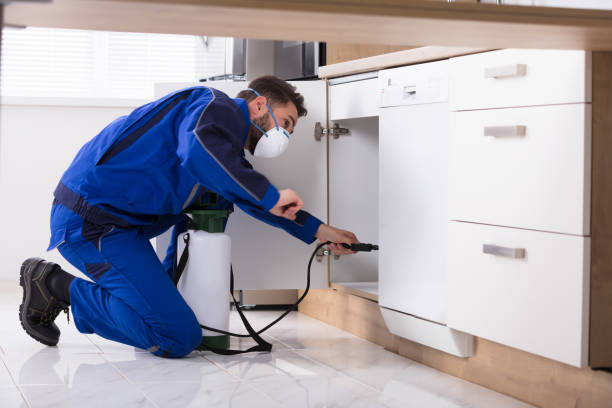
1. Biological Pest Control
Biological pest control is an eco-friendly method that utilizes natural predators or parasites to reduce pest populations. This method is particularly effective for outdoor areas such as gardens and agricultural settings.
- Introducing ladybugs to manage aphids in gardens.
- Releasing beneficial nematodes to target soil-dwelling pests.
- Using parasitic wasps against caterpillars and other harmful insects.
- Non-toxic and environmentally sustainable.
- Targets specific pests without harming beneficial organisms.
- Requires proper knowledge of ecological balance.
- May take time for results to become visible.
2. Chemical Pest Control
Chemical pest control involves the use of pesticides or insecticides to eradicate pests quickly and effectively. While chemical methods are widely used due to their effectiveness, they should be handled cautiously considering potential health risks.
- Common types of chemicals used:
| Pesticide Type | Target Pests | Examples |
|——————|—————————|————————————|
| Insecticides | Insects (ants, cockroaches) | Pyrethroids, Organophosphates |
| Rodenticides | Rodents (mice, rats) | Anticoagulants, Bromethalin |- Always follow the label instructions provided by manufacturers.
- Store pesticides in childproof containers away from food.
- Use personal protective equipment (PPE) like gloves and masks during application.
3. Mechanical Pest Control
Mechanical methods focus on physically removing or preventing pests using traps, barriers, or exclusion techniques.
- Setting up sticky traps for flies or spiders.
- Installing mesh screens on windows and doors to keep mosquitoes out.
- Using rat traps or glue boards for rodents.
- Immediate results with no reliance on chemicals.
- Cost-effective solutions for smaller infestations.
- Labor-intensive processes may not be suitable for large-scale infestations.
- Limited impact on insect larvae or eggs without additional treatment methods.
4. Cultural/Preventative Control
Preventative measures aim at creating an environment that is less attractive or accessible to pests in the first place. This long-term approach is ideal for maintaining a pest-free home environment over time.
- Regularly cleaning kitchens and dining areas to eliminate food crumbs.
- Sealing cracks in walls and gaps around windows or doors.
- Properly storing food in airtight containers.
- Managing waste by taking out garbage frequently and properly covering bins.
| Preventive Action | Expected Outcome |
| Seal entry points | Blocks access for pests like rodents |
| Remove standing water | Reduces breeding grounds for mosquitoes |
| Proper waste management | Lowers risk of cockroach infestations |
Understanding these diverse methods empowers homeowners not only to address existing pest problems but also to implement long-term solutions that prevent future invasions from occurring altogether. By combining these approaches where necessary—such as integrating preventative measures with biological controls—you can achieve comprehensive protection against unwanted pests while minimizing environmental impact.
The Importance of IPM in Effective Pest Control with an Exterminator Miami Gardens FL
Integrated Pest Management (IPM) is a comprehensive approach to managing pest populations in an environmentally responsible and sustainable way. It combines multiple strategies to minimize the impact of pests while reducing reliance on chemical pesticides. This method is not only effective but also promotes long-term pest control solutions, making it a preferred choice for residential, agricultural, and commercial settings.
Key Principles of IPM
- Focuses on eliminating conditions that attract pests.
- Examples include sealing entry points, improving sanitation practices, and maintaining structural integrity.
- Regularly inspecting areas for signs of pest activity.
- Identifying pests accurately to ensure appropriate measures are taken.
- Using targeted methods to manage pests with minimal risk to humans and the environment.
- Approaches include biological controls, mechanical traps, cultural practices, and selective use of chemical treatments.
Advantages of Using IPM
- Reduced Health Risks: By limiting pesticide use, IPM decreases exposure to harmful chemicals for both humans and pets.
- Environmental Protection: Promotes the use of eco-friendly methods like natural predators or barriers instead of broad-spectrum pesticides.
- Cost-Effective: Preventative measures reduce expensive infestations in the long run.
- Sustainable Outcomes: Reduces the likelihood of pests developing resistance to treatments.
Components of an Effective IPM Strategy
| Component | Description |
| Biological Control | Utilizing natural predators (e.g., ladybugs against aphids). |
| Cultural Practices | Modifying environmental factors like irrigation or crop rotation to deter pests. |
| Mechanical Methods | Physical barriers such as screens or traps that block or capture pests. |
| Chemical Control | Limited and targeted application of pesticides when necessary. |
How IPM Works in Homes
- Inspect potential problem areas like basements, attics, kitchens, or gardens regularly.
- Identify entry points such as cracks or gaps around windows, doors, or pipes and seal them effectively.
- Sticky traps for insects like cockroaches.
- Essential oil-based repellents against mosquitoes or ants.
- Use products labeled safe for household use under professional guidance.
- Follow all safety instructions thoroughly.
Why Is IPM Important?
- Damage to beneficial insect populations like pollinators (bees).
- Contamination of water sources due to runoff from treated surfaces.
IPM addresses these challenges by combining science-driven practices with practical knowledge tailored specifically for each environment.
By adopting Integrated Pest Management strategies at home or workspaces, you not only tackle current pest problems but also establish safeguards against future infestations — all while supporting healthier ecosystems nearby.
Understanding Miami Gardens Pest Removal: Risks, Safety Measures, and Human Impact
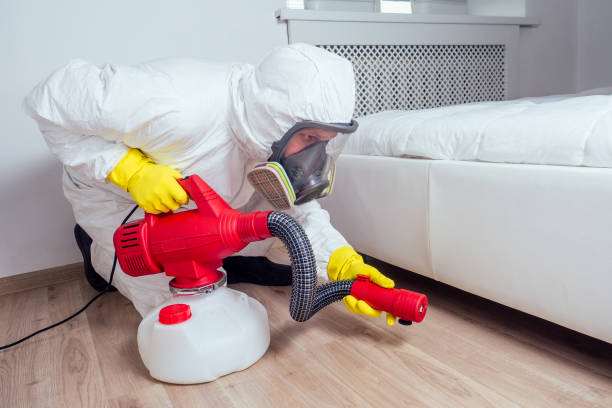
Pesticides are an effective tool for managing pests in both residential and commercial spaces. However, their use comes with certain risks to human health if not handled properly. Understanding these risks and adopting appropriate safety measures is essential for minimizing potential harm.
Potential Risks of Pesticides to Humans
- Acute Health Effects:
Short-term exposure to high levels of pesticides can lead to symptoms such as headaches, dizziness, nausea, skin irritations, or respiratory distress. Severe cases may involve poisoning. - Chronic Health Effects:
Prolonged or repeated exposure to certain pesticides has been linked to long-term health issues like hormone disruption, reproductive challenges, neurological disorders, or even cancer. - Allergic Reactions:
Some individuals may experience allergic reactions when exposed to specific pesticides, resulting in rashes, breathing difficulties, or other hypersensitivity symptoms.
Common Exposure Pathways
- Inhalation – Breathing in pesticide fumes or spray during applications.
- Dermal Contact – Absorption through the skin from spills or residues on treated surfaces.
- Ingestion – Consuming contaminated food or water.
- Eye Contact – Accidental splashes that come into contact with the eyes.
Recommended Safety Measures
- Read Labels Carefully:
Always follow manufacturer instructions regarding application rates and safety precautions. - Wear Protective Gear:
Equip yourself with gloves, masks, goggles, and long-sleeved clothing during application. - Ventilation Is Key:
Apply pesticides in well-ventilated areas to reduce inhalation risk. - Secure Storage Practices:
Store all pesticides out of reach of children and pets in a cool and dry place. - Avoid Overuse:
Applying excessive amounts increases pesticide residues in your environment without necessarily improving effectiveness.
Comparing Low-Toxicity vs High-Toxicity Pesticides
| Type | Features | Example Uses |
| Low-Toxicity | Minimal risk to humans; biodegradable | Indoor plants; gardens |
| High-Toxicity | Requires stringent precautions | Severe infestations (e.g., termites) |
Alternatives to Consider
- Biological Controls: Using natural predators like ladybugs for aphid control.
- Cultural Practices: Proper sanitation and waste management discourage pest activity.
- Mechanical Barriers: Installing screens or sealing cracks limits pest entry points indoors.
Using safer alternatives alongside limited chemical usage creates an integrated approach that protects both your home and your family’s well-being long term.
By understanding how pesticides interact with humans and adhering strictly to safety recommendations during their application or storage process—risks can be effectively contained without compromising effectiveness against pests.
Effective Pest Control Service Miami Gardens FL: Methods to Safeguard Your Home from Unwanted Pests
Pests can cause significant distress and damage if left unchecked, making pest control an essential aspect of home maintenance. Here are four effective types of pest control methods designed to keep your home safe and pest-free.
1. Physical Pest Control
Physical pest control involves using manual or mechanical techniques to eliminate or prevent pests in your home. This method is ideal for targeting specific pests without the use of chemicals.
- Setting traps for rodents.
- Installing screens, barriers, or nets to block pests like flies or mosquitoes.
- Sealing cracks and crevices that serve as entry points for ants or cockroaches.
- Safe for humans and pets when executed correctly.
- Environmentally friendly as it avoids the use of harmful substances.
2. Biological Pest Control
Biological pest control relies on natural predators or organisms to manage pest populations. This eco-friendly method is particularly useful for addressing outdoor pests that can migrate into your home.
- Introducing ladybugs to reduce aphid populations around your garden.
- Utilizing nematodes to eliminate soil-borne pests like termites and grubs.
- Sustainable and environmentally friendly in the long term.
- Helps maintain ecological balance without disrupting surrounding ecosystems.
3. Chemical Pest Control
Chemical methods involve the use of pesticides, insecticides, or other chemical treatments to eradicate pests effectively. While highly efficient, this method requires careful application due to potential risks.
| Type | Common Uses | Caution |
| Insecticides | To target insects like ants or cockroaches. | Follow manufacturer instructions strictly. |
| Rodenticides | To eliminate rats and mice. | Ensure they are placed away from children and pets. |
| Fungicides | To manage mold, mildew, or fungi. | Apply with ventilation; avoid inhaling fumes. |
- Highly effective for severe infestations.
- Available in various forms such as sprays, powders, or baits.
- Important Note: Always consult a professional before using chemical treatments in sensitive areas such as kitchens or near children.
4. Cultural Pest Control
Cultural methods focus on modifying environments to deter pests naturally by removing food sources, water access points, or suitable breeding grounds.
- Regularly clean surfaces where food is prepared and consumed.
- Avoid standing water around the property since it can serve as a breeding ground for mosquitoes.
- Store food in airtight containers to deter pantry pests such as weevils.
- Preventative rather than reactive approach.
- Cost-effective with long-term results if implemented consistently.
Final Thoughts
Choosing the right pest control method depends on factors such as the type of pest you’re dealing with, the extent of infestation, and environmental concerns. While some methods (like cultural controls) focus on prevention through lifestyle changes, others (like chemical treatments) address immediate infestations effectively but require caution when used indoors. For complex situations requiring expert knowledge—especially those involving hazardous chemicals—it’s often wise to consult with licensed professionals who can tailor solutions specifically for your needs while ensuring safety guidelines are met properly.
The Importance of Miami Gardens FL Pest Control for Commercial Properties
Effective pest control is a critical aspect of maintaining a safe and healthy environment in commercial properties. Unlike residential spaces, commercial properties face unique challenges due to their size, complexity, and the variety of activities conducted within them. Professional pest control services offer tailored solutions that ensure businesses remain operational while safeguarding health standards, property, and reputation.
The Risks of Pest Infestation in Commercial Properties
- Health Hazards: Pests can contaminate food and surfaces with bacteria such as Salmonella or E. coli. This is particularly problematic for food service establishments.
- Property Damage: Termites can destroy wooden structures, while rodents may chew through wiring or insulation.
- Reputation Damage: A single pest sighting can harm a business’s reputation, especially for restaurants or hotels.
- Regulatory Non-compliance: Many industries must adhere to strict hygiene regulations; failing to manage pests could lead to fines or shutdowns.
Benefits of Hiring Professional Pest Control Services
- Trained professionals conduct thorough inspections to identify current infestations as well as potential vulnerabilities.
- They assess structural issues like cracks or gaps where pests could enter.
- Experts tailor pest control strategies based on the specific needs of the property type (e.g., warehouses vs. retail spaces).
- Treatments account for industry-specific risks such as food safety requirements.
- Professionals implement preventive actions like sealing entry points or installing traps.
- They advise on long-term practices to reduce future risks (e.g., proper waste management).
- Licensed technicians safely apply pesticides if necessary while complying with environmental regulations.
- Eco-friendly solutions are often available for businesses seeking sustainable pest control options.
- Treatments are scheduled during off-hours to avoid disrupting business operations.
- Professionals work efficiently to eliminate infestations quickly.

Cost Comparison Table: DIY vs Professional Services
| Aspect | DIY Pest Control | Professional Pest Control |
| Initial Cost | Lower upfront costs | Higher initial investment |
| Long-Term Effectiveness | Often temporary; recurrence likely | Long-lasting results |
| Safety Concerns | Risk of improper chemical handling | Safe application by trained staff |
| Time Commitment | Time-intensive | Minimal time required from owner |
Industries That Benefit Most from Professional Pest Control
- Food Service & Hospitality: Restaurants, cafes, hotels
- Healthcare Facilities: Hospitals and nursing homes
- Retail & Warehousing: Storage facilities prone to rodent activity
- Offices & Commercial Buildings: Spaces with frequent human activity
Investing in professional pest control ensures compliance with industry standards while protecting employees and customers from potential health risks caused by pests. It also helps maintain the reputation and longevity of the business premises.
Protecting Your Property with the Most Effective Bait for Termite Elimination
Termites are among the most destructive pests that can infest your property, causing significant structural damage if left untreated. One of the most effective strategies for managing a termite infestation is the use of baits. Unlike traditional chemical treatments, baiting systems target termite colonies directly, ensuring long-term control while minimizing environmental impact. Below is a detailed overview of how bait systems work and why they are an effective solution for termite elimination.
How Do Termite Baits Work?
Termite bait systems involve placing bait stations strategically around your property to intercept termites as they forage for food. These stations contain specially formulated substances that attract termites and serve as slow-acting toxicants to collapse their colonies.
- Attracting Termites: The bait contains cellulose, a material termites naturally consume in wood.
- Slow-Acting Toxins: The active ingredient in the bait affects termites slowly, allowing them to return to their colony and share it with others through grooming or feeding.
- Colony Elimination: Over time, the toxin spreads throughout the colony, leading to its decline and eventual eradication.
Advantages of Termite Bait Systems
- Environmentally Friendly
Bait systems use minimal amounts of active ingredients compared to chemical soil treatments, reducing environmental risks. - Targeted Approach
Instead of treating large areas indiscriminately, baits focus on eliminating specific infestations at their source. - Long-Term Protection
Many modern bait systems continuously monitor and protect properties from new infestations after initial treatment. - Non-Invasive Installation
Unlike chemical barriers that may require trenching or drilling into foundations, bait systems are less disruptive during installation.
Types of Termite Bait Systems
| Type | Description | Best Use Case |
| In-Ground Bait Stations | Placed in soil around your property | For outdoor protection and monitoring |
| Above-Ground Bait Stations | Installed directly on active infestation sites | For immediate treatment inside structures |
Choosing between these options depends on whether you’re dealing with an existing infestation or trying to prevent one.
Tips for Using Termite Baits Effectively
- Regularly inspect and maintain bait stations to ensure they remain active.
- Consult professional pest control experts who can strategically install and monitor stations.
- Combine baits with other preventive measures like reducing moisture levels around your property or sealing cracks in walls and foundations.
By understanding how termite baits work and implementing them effectively, you can safeguard your home from costly damage while contributing to safe pest management practices.
Certified and Licensed Pest Control Solutions to Safeguard Your Home
When it comes to protecting your home from pests, having certified and licensed pest control professionals is essential. These experts offer services that not only ensure effective pest elimination but also prioritize health, safety, and environmental care. Here’s why certified pest control solutions stand out and how they contribute to safeguarding your home.
Benefits of Certified Pest Control Solutions
- Licensed professionals undergo rigorous training to understand different types of pests, their behavior, and the most effective extermination methods.
- This expertise allows them to identify infestations early and apply targeted solutions.
- Certified exterminators use pesticides and other chemicals that are approved by regulatory bodies like the EPA (Environmental Protection Agency).
- They ensure these substances are applied in appropriate quantities to minimize risks to humans, pets, and the environment.
- Every home is different, and so are its pest control needs. Professionals design customized strategies based on factors such as the type of infestation, property layout, and level of risk.
- Beyond removing current infestations, certified services often include preventive measures such as sealing entry points or setting up monitoring systems for recurring issues.
What Makes a Pest Control Service “Certified”?
| Requirement | Description |
| Education & Training | Completion of courses on pest biology, pesticide application, safety protocols |
| Licensure by Local Authorities | Must pass exams set by state/country regulatory boards |
| Continuing Education Requirements | Periodic renewal of licenses through additional training |
| Adherence to Legal Standards | Compliance with federal/state pesticide regulations |
These qualifications ensure that any service provided is both effective and safe.
Ensuring Safety During Treatments
- Proper Application Techniques: Preventing overuse or misapplication that could harm non-target organisms.
- Protective Measures: Use of personal protective equipment (PPE) for technicians and guidance for homeowners during treatments.
- Post-Treatment Guidelines: Instructions on when it’s safe to re-enter treated areas or resume normal activities in your home.
How Homeowners Can Verify Certification
- Request proof of license or certification from relevant authorities.
- Research online reviews or ratings from trusted platforms.
- Ask about the company’s compliance with local or federal pesticide regulations.
- Check if their technicians receive ongoing training in advanced techniques.
Choosing a certified pest control service gives peace of mind knowing your property is managed by professionals who prioritize both effectiveness and safety.
- Essential Reasons Why Miami Gardens FL Pest Control Is Vital for Public Health and Safety
- How Miami Gardens FL Pest Control Can Safeguard Your Home and Health
- Understanding Miami Gardens FL Pest Control and Its Importance for Every Home
- Effective Pest Control Methods from a Trusted Pest Control Company Miami Gardens FL
- Effective Miami Gardens Pest Removal for Homes and Businesses
- Affordable Pest Control Service Miami Gardens FL: Protect Your Home and Health
- Top Reasons to Hire a Pest Control Company Miami Gardens FL for Your Health and Home
