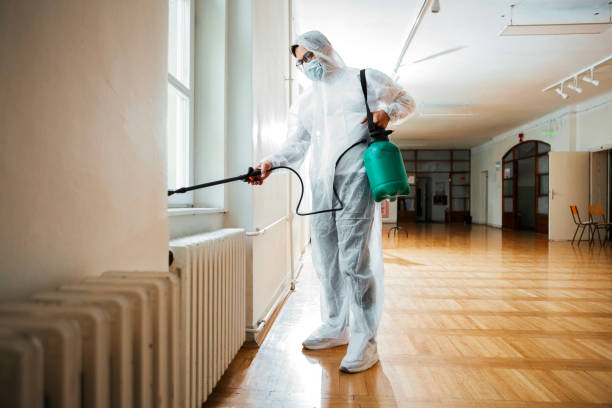
Pest control refers to the process of managing, reducing, or eliminating unwanted pests from residential spaces, businesses, and other environments where they pose risks to health, safety, and property. These pests include insects such as ants, cockroaches, termites, rodents like mice or rats, and even wildlife in some cases. For homeowners specifically, understanding and implementing pest control measures is crucial for maintaining a safe and healthy living space.
Why Pest Control Is Essential
Ignoring pest problems can lead to significant consequences for your home and health.
- Health Risks: Pests are known carriers of diseases that can affect humans. Cockroaches spread allergens that may trigger asthma attacks while rodents can transmit diseases such as hantavirus. Mosquitoes are notorious for spreading illnesses like dengue fever and malaria.
- Property Damage: Insects such as termites or carpenter ants can cause severe structural damage to a home by eating through wood or other materials. Similarly, rodents often chew on wires or insulation which could lead to fire hazards.
- Food Contamination: Pests frequently invade kitchens and storage areas in search of food. This can lead to contamination of food products with harmful bacteria such as Salmonella.
- Mental Stress: A pest infestation often causes anxiety and stress for homeowners who may feel overwhelmed by the situation.
Common Types of Household Pests
| Pest Type | Associated Risks | Signs of Infestation |
| Termites | Structural damage | Mud tubes near foundation or walls |
| Rodents (Mice/Rats) | Disease transmission; electrical hazards | Droppings; gnaw marks; scratching sounds |
| Ants | Food contamination | Trails leading to food sources |
| Cockroaches | Allergens; disease spread | Fecal droppings; unpleasant odor |
| Spiders | Fear factor; potential venom risks | Webs in corners |
Benefits of Timely Pest Control
- Improved Health Conditions: Regular pest management minimizes exposure to harmful bacteria and allergens brought about by pests.
- Cost Savings on Repairs: Preventive measures reduce the likelihood of costly repairs due to termite damage or other issues.
- Peaceful Living Environment: No one wants to share their space with unwanted insects or rodents. Proper pest control ensures a comfortable home environment.
- Preservation of Property Value: A pest-free home maintains its market value better than one plagued with recurring infestations.
DIY vs Professional Pest Control
While many homeowners attempt do-it-yourself (DIY) methods using sprays or traps, these solutions often fail to address the root cause of an infestation effectively. Professional exterminators use specialized tools and techniques tailored to specific types of pests ensuring long-term results.
- Accurate identification of pests
- Customized treatment plans
- Use of eco-friendly solutions
- Long-term prevention strategies
Pest control isn’t just about eliminating visible insects but also about safeguarding your home from potential risks associated with infestations over time. A well-managed approach ensures a healthier living space while protecting your investment in property ownership.
Discover the Advantages of Hiring a Pest Control Company Miami Gardens FL for Your Property
When it comes to maintaining the comfort, safety, and health of your home or business, professional pest control services play a crucial role. Pests are not only a nuisance but can also pose significant risks to property and well-being. Relying on professional exterminators offers several benefits that go beyond basic DIY methods.
Targeted Pest Identification and Customized Solutions
One of the most significant advantages of working with professional exterminators is their ability to accurately identify pest infestations and provide tailored solutions.
- The type of pest:Whether it’s rodents, ants, termites, or cockroaches.
- The infestation severity:Assessing how widespread the problem is within your property.
- Effective treatment plans:Choosing safe and targeted methods to eliminate pests without harming residents or pets.
Expert exterminators understand the behavior patterns of pests, enabling them to deliver highly effective results.
Long-Term Prevention Measures
Professional pest control services are not just about eliminating current infestations—they place a strong emphasis on preventing future problems.
- Sealing entry points:Preventing access through cracks, crevices, or openings around doors and windows.
- Environmental modifications:Addressing factors like standing water or clutter that attract pests.
- Regular monitoring:Scheduled inspections to catch early signs of reinfestation.
These preventive measures reduce the likelihood of recurring issues.
Ensuring Health and Safety
Pest infestations can lead to various health concerns by spreading bacteria, allergens, and diseases.
| Pest Type | Potential Health Risks |
| Rodents | Contaminate food supplies with droppings; spread diseases like Hantavirus. |
| Cockroaches | Trigger asthma attacks; spread E.coli and Salmonella bacteria. |
| Mosquitoes | Transmit illnesses such as West Nile virus or dengue fever. |
Professional pest control minimizes these risks by ensuring thorough application of treatments designed to eradicate harmful organisms while protecting human health.
Cost-Effective Over Time
While DIY pest control may seem more affordable initially, it often leads to recurring problems that escalate in severity over time. Professional technicians use advanced tools and techniques that address infestations comprehensively at their source—saving time and reducing long-term costs associated with repeated treatments or structural damage caused by unchecked pests.
Peace of Mind Through Expertise
Hiring professionals provides confidence that your property is in capable hands. Fully licensed technicians stay up-to-date with industry standards for handling pesticides safely while offering environmentally responsible solutions for pest management.
By relying on professional pest control services, homeowners and property managers ensure effective elimination of pests while safeguarding both property value and personal health for years to come.
Exterminator Miami Gardens FL: Protect Your Home from Spiders, Stink Bugs, and Fall Pests
As the weather transitions into fall, a variety of pests begin seeking shelter in homes to escape the cooler temperatures. Understanding these pests and how to protect your property can save you from unnecessary stress and expenses. Below, we’ll cover some of the most common fall pests—such as spiders, stink bugs, and others—and outline effective strategies to keep them at bay.
Common Fall Pests
- These arachnids often seek out warm, undisturbed areas in basements, attics, or garages.
- Common species include the harmless house spider and more concerning ones like the black widow or brown recluse.
- Stink bugs use cracks in walls or windows to enter homes as temperatures drop.
- Known for their strong odor when crushed, they’re a nuisance rather than a threat.
- Rodents are year-round invaders but become especially active in fall as they look for food and warmth.
- They can chew through wires and insulation, creating safety hazards.
- These red-and-black insects are usually found on sunny exterior walls before sneaking indoors.
- They are harmless but can stain surfaces with their excrement.
- Cockroaches thrive in humid environments and come indoors during cooler months seeking food.
Signs of Fall Pest Infestations
- Spider webs:Look for cobwebs in corners or unused spaces around your home.
- Droppings:Evidence of rodents might include small droppings near food storage areas or along baseboards.
- Shed skins:Stink bugs often leave behind their exoskeletons during molting seasons.
- Unpleasant smells:A musty odor could indicate cockroach activity or hidden nests of stink bugs.
How to Prevent Fall Pest Intrusions
Seal Entry Points
– Inspect windows, doors, and vents for cracks or gaps where pests might enter. – Use caulk or weather stripping to secure openings around doors and window frames. – Install door sweeps on exterior entrances to block rodent access.
Reduce Indoor Attractants
– Store food in airtight containers to prevent attracting insects or rodents. – Empty trash bins regularly and keep lids tightly sealed. – Reduce moisture by fixing leaky pipes and using dehumidifiers if needed.
Maintain Outdoor Spaces
– Keep firewood at least 20 feet from the house since it can harbor spiders or rodents. – Trim back vegetation touching your home’s exterior walls to reduce pest access points. – Clear gutters of debris where pests may hide.

Treatment Options for Persistent Pests
| Pest Type | Professional Treatment Options | Timeframe |
| Spiders | Targeted spraying; web removal | Seasonal maintenance |
| Stink Bugs | Perimeter sprays; vacuum removal | Early fall before infestation peaks |
| Rodents | Trapping; bait stations | Ongoing monitoring |
| Boxelder Bugs | Exterior barrier treatments | Late summer through early fall |
| Cockroaches | Bait gels; insect growth regulators | Year-round prevention |
Professional exterminators possess expertise in identifying entry points unseen by homeowners while providing eco-friendly solutions tailored to indoor safety.
Taking steps now will ensure a pest-free season while protecting your family’s comfort throughout fall months. By understanding which pests are likely culprits during this time of year—and how best to prevent them—you can maintain a clean living space free from unwanted intruders all season long.
Effective Miami Gardens Pest Removal: The Importance of Hiring Experts for Wasp Control and Prevention
Wasps can be a significant nuisance around homes, particularly during warmer months when they are most active. While wasps play an important ecological role by preying on other pests and aiding in pollination, their aggressive nature and painful stings make them unwelcome visitors in residential areas. Addressing a wasp problem requires expertise to ensure the safety of your household and prevent recurring infestations. This is where hiring professional exterminators becomes vital.
Why Professional Wasp Control is Necessary
Dealing with wasps on your own can be risky, especially if you lack the knowledge or tools required for safe removal.
- Safety Concerns: Wasps can become highly aggressive when their nests are disturbed, leading to multiple stings that may cause severe allergic reactions in some individuals.
- Proper Identification: Professionals can accurately identify the species of wasp (e. g. , paper wasps, yellowjackets, or hornets) to tailor removal strategies.
- Effective Removal: Experts utilize specialized tools and insecticides designed for safe and efficient nest removal without endangering surrounding areas.
- Long-Term Prevention: Beyond immediate removal, professionals implement preventative measures to discourage future nesting and reduce the likelihood of re-infestation.
Signs You May Need Wasp Control Services
Understanding when it’s time to call a professional can save you time and money while reducing risks.
- You notice frequent wasp activity near your home or garden.
- A visible nest has formed in high-risk areas such as doorways, attics, or under eaves.
- Family members are experiencing increased fear or anxiety due to persistent wasp sightings.
- There’s a history of allergic reactions to insect stings within your household.
Key Benefits of Professional Wasp Control
| Benefit | Explanation |
| Expertise | Trained technicians know how to safely handle aggressive insects. |
| Customized Solutions | Professionals assess your property to create tailored prevention plans. |
| Reduced Health Risks | Minimizes exposure to stings and harmful DIY chemical applications. |
| Eco-Friendly Options | Many exterminators use environmentally conscious products where possible. |
Preventative Measures Recommended by Experts
After removing existing nests, pest control specialists often share tips for avoiding future infestations.
- Check for cracks or gaps around windows, doors, vents, and utility lines.
- Use caulk or weather stripping as needed.
- Keep garbage bins tightly sealed.
- Avoid leaving sugary drinks or food scraps outdoors.
- Regularly inspect eaves, attics, sheds, or garages for early signs of nest-building activity.
- Trim overgrown shrubs or tree branches near your home.
- Wasps are territorial creatures; hanging decoy nests may discourage them from building nearby.
Hiring professionals is not just about addressing current infestations but also about protecting your property year-round through preventive care strategies tailored specifically for your environment’s needs.
Effective Pest Control Service Miami Gardens FL: Addressing Fire Ant Infestations in Your Home
Fire ants are among the most aggressive and resilient pests that can infiltrate your home or yard. These invasive insects are not only a nuisance but also pose significant risks to people, pets, and property.
Characteristics of Fire Ants
- Appearance: They are reddish-brown in color with darker abdomens, typically measuring 1/8 to 1/4 inch in length.
- Behavior: Known for their aggressive nature, fire ants will attack intruders en masse if their mound is disturbed.
- Colonies: A single fire ant queen can lay thousands of eggs per day, leading to rapid colony growth.
- Mounds: Their nests often appear as large dome-shaped mounds in open areas such as lawns or gardens.
Risks Associated with Fire Ants
Fire ants can be more than just a nuisance.
- Fire ants deliver painful stings that can cause itching, swelling, and even allergic reactions in sensitive individuals.
- Multiple stings from a swarm can escalate discomfort and increase health risks.
- Fire ant colonies often disrupt the soil structure around homes, gardens, or electrical equipment.
- They have been known to chew through cables or wires, leading to costly repairs.
- Pets or livestock that interact with fire ant mounds may suffer severe stings.
- In some cases, these stings can lead to infections or complications requiring veterinary attention.
How Fire Ant Infestations Occur
- Searching for food sources such as sugary substances or proteins left exposed.
- Seeking shelter during heavy rains or floods; they are excellent survivors in harsh conditions.
- Migrating from nearby untreated properties where colonies already exist.
Steps to Address Fire Ant Infestations
- Regularly inspect your yard for signs of visible mounds.
- Take note of pathways where you see worker ants traveling back-and-forth with food.
- Use bait-based insecticides designed specifically for fire ants; this allows workers to carry poison back to the colony for effective elimination.
- Treat individual mounds with specialized liquid insecticides when necessary.
- Keep food sealed properly indoors and clean up crumbs immediately after meals.
- Regularly mow lawns and trim shrubs around your home’s perimeter as overgrowth can attract pests like fire ants.
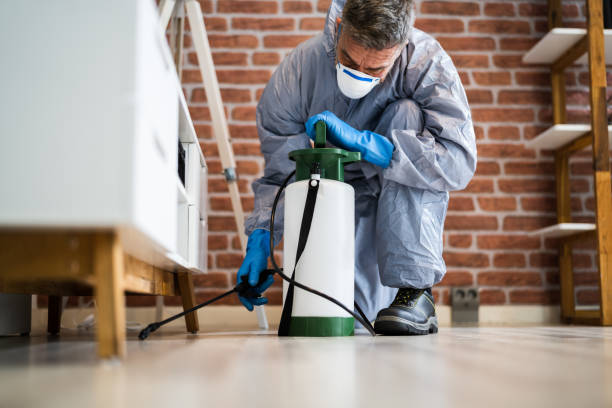
- Consult Professional Exterminators: If DIY efforts do not yield results or if the infestation is widespread, hiring pest control experts is essential. Professionals have access to advanced treatments capable of eradicating entire colonies efficiently while minimizing risks for humans and pets.
| Recommended Actions | DIY Efforts | Professional Services |
| Inspection & Monitoring | ✔️ | ✔️ |
| Use of Baits/Insecticides | ✔️ | ✔️ |
| Long-Term Colony Management | Limited | Comprehensive |
| Safety Measures for Children/Pets | Moderate | High |
Prevention Tips for Long-Term Protection
- Fill cracks in walls, foundations, or entry points where fire ants might migrate indoors.
- Remove standing water near your home since moisture attracts pests.
- Store garbage bins tightly sealed away from living areas outside your house.
Understanding fire ant behavior combined with proactive measures can protect your home effectively over time while ensuring the safety of all occupants.
Debunking Common Wasp Myths: Facts Every Homeowner Should Know
Effective pest control begins with separating fact from fiction, especially when dealing with wasps. Misconceptions about these stinging insects can lead to fear, mismanagement, or even harm to beneficial species in your environment. Let’s explore some of the most common myths about wasps and uncover the real facts every homeowner should understand.
Myth 1: All Wasps Are Aggressive and Dangerous
Fact: While it’s true that certain wasp species can become defensive when their nests are threatened, not all wasps are inherently aggressive. Many species, such as paper wasps or solitary wasps, prefer to avoid confrontation unless provoked. Understanding their behavior is key to managing interactions safely.
Myth 2: Wasps Serve No Purpose in the Ecosystem
Fact: Wasps play an essential role in maintaining ecological balance. They help control populations of harmful insects by preying on them and act as natural pollinators for plants. By reducing pest populations naturally, they contribute significantly to agriculture and garden health.
Myth 3: Destroying a Wasp Nest Is Enough to Eliminate Them
Fact: Removing a visible nest may not address the problem entirely. Some species build their nests underground or in hidden crevices that are hard to locate without professional expertise. Additionally, if the queen survives, she may establish a new colony nearby. A comprehensive approach is needed for long-term solutions.
Ways to Safely Deal with Wasps
If you’re dealing with a wasp problem at home, consider these tips for effective management:
– Avoid DIY Nest Removal:Attempting to remove a nest without proper gear or expertise can escalate aggression and lead to painful stings.Seal Entry Points:Inspect your property for cracks, holes, and other access points that might allow wasps inside.Limit Attractants:Remove food sources like uncovered trash bins, sugary drinks left outdoors, or ripe fruit trees near your home.Call Professionals:Experienced exterminators have the tools and knowledge necessary for safe nest removal and prevention strategies.
| Wasp Management Tip | Why It Matters |
| Remove outdoor food debris | Reduces attractants that encourage nesting nearby |
| Inspect eaves and ledges regularly | Helps spot nests early before colonies grow large |
| Use yellow light bulbs outdoors | Deters insects attracted to bright white light |
Myth 4: All Wasp Species Build Nests
Fact: Not every wasp builds a traditional nest. Solitary wasp species like mud daubers create small mud structures rather than large communal hives. Recognizing different types of nests can help you determine which species you’re dealing with.
Myth 5: Wasps Die Off Completely During Winter
Fact: While worker wasps often die off when temperatures drop, queens typically hibernate through winter in protected areas such as tree bark or even inside homes. This survival strategy allows them to establish new colonies come springtime.
Why Understanding These Myths Matters
Addressing common misconceptions about wasps empowers homeowners with accurate information for better pest management decisions. Rather than fearing these insects outright or taking unnecessary risks through DIY methods, focus on preventive actions and professional assistance when needed for effective control year-round.
How Professional Exterminators Can Safeguard Your Home Against Pests Year-Round
Pests are not just a seasonal nuisance; they can invade your home throughout the year, bringing potential health risks and property damage. Professional exterminators play a crucial role in maintaining a pest-free environment by using expertise, advanced tools, and preventive measures tailored to each season. Below is an overview of how exterminators ensure your home stays protected year-round.
Identifying Seasonal Pest Threats
Different pests are active during different times of the year, which makes it essential to adapt control methods accordingly.
- Spring: Focus on termites, ants, and wasps as they emerge to build colonies.
- Summer: Increased activity from mosquitoes, flies, and rodents due to warm weather.
- Fall: Spiders and stink bugs seek shelter indoors as temperatures drop.
- Winter: Rodents and cockroaches invade homes to escape the cold.
By understanding these patterns, exterminators create customized plans tailored to the specific threats of each season.
Methods Used by Professional Exterminators
- Conducting thorough inspections to identify entry points, nesting areas, and signs of infestations.
- Assessing environmental factors such as humidity levels or clutter that may attract pests.
- Using targeted treatments for different pests instead of generalized approaches.
- Implementing eco-friendly options when requested or required.
- Combining chemical treatments with non-chemical strategies like exclusion techniques.
- Educating homeowners on preventive measures like sealing entry points or proper sanitation practices.
- Scheduling periodic visits to ensure pests do not return.
- Reassessing treatment plans based on new developments or changing seasons.
Benefits of Year-Round Pest Control Services
| Benefit | Explanation |
| Health Protection | Prevents diseases spread by insects like mosquitoes (e.g., West Nile virus). |
| Property Preservation | Reduces structural damage caused by termites or rodents chewing through wood. |
| Stress-Free Living | Eliminates the anxiety associated with unexpected infestations. |
| Cost Savings | Preventive measures reduce costly repairs in the long term. |
Preventive Tips for Homeowners
- Seal cracks around windows and doors to block pest entry points.
- Keep kitchen surfaces clean and store food in airtight containers to prevent attracting ants or roaches.
- Trim overgrown vegetation near your home’s foundation that could harbor insects or rodents.
- Store firewood away from your house to avoid termite infestations.
Why Choose Professionals Over DIY Solutions
Although DIY methods might seem cost-effective initially, they often fail to address root causes or provide long-term results. Professionals bring specialized expertise that ensures efficient eradication while minimizing risks associated with improper pesticide usage. Their knowledge allows them to identify infestation patterns early—saving homeowners from more significant problems down the line.
Year-round pest control is a critical investment for any homeowner aiming for a healthier and safer living environment. By partnering with professional exterminators, you can protect your property from seasonal threats while ensuring peace of mind throughout the year.
Key Reasons to Invest in Comprehensive Pest Control Solutions for a Healthier Living Environment
Pest infestations are more than just an inconvenience. They pose significant risks to health, property, and overall well-being. Investing in comprehensive pest control solutions is not only a proactive approach but also an essential step toward maintaining a safe and comfortable living space.
Health Benefits of Pest Control
Pests are known carriers of diseases and allergens that can severely impact human health.
- Disease Prevention: Rodents, cockroaches, and mosquitoes are common vectors for diseases such as Salmonella, Hantavirus, and West Nile Virus. Regular extermination minimizes exposure to these pathogens.
- Allergy Reduction: Insects like cockroaches or dust mites can trigger allergies and asthma symptoms, particularly in children or sensitive individuals. Controlling these pests improves indoor air quality.
- Food Safety: Pests often contaminate stored food supplies with droppings, urine, or saliva. Eliminating infestations ensures safe consumption of food products.
Protecting Property from Damage
Unchecked pest activity can result in costly damage to your property over time.
- Structural Integrity: Termites and carpenter ants can compromise the structural stability of your home by targeting wood materials.
- Electrical Safety: Rodents chew through wires, potentially creating fire hazards.
- Furniture Preservation: Moths and beetles cause noticeable damage to furniture fabrics and carpets.
| Pest | Common Damage Caused | Examples |
| Termites | Structural damage | Weakening wooden foundations |
| Rodents | Electrical hazards | Chewing on wires |
| Carpet Beetles | Furniture damage | Holes in upholstery or rugs |
Preventive Measures for Long-Term Results
- Routine inspections to identify early signs of pest activity.
- Sealing entry points like cracks, crevices, or gaps around windows and doors.
- Advising on sanitation practices that discourage pests from thriving indoors.
- Safe application of treatments tailored to specific pest problems.
Cost-Efficiency Over Time
While some homeowners may hesitate over the initial cost of professional services, comprehensive solutions save you money long term by preventing expensive repairs caused by unchecked infestations or recurring problems due to ineffective DIY methods.
Promoting Peace of Mind
A home free from pests creates a comfortable environment where you can focus on daily activities without distraction or concern over potential health risks or property damage.
In summary, investing in pest control solutions is not only about eliminating visible issues but also ensuring the safety, comfort, and longevity of your home environment through proactive prevention measures carried out by experts in the field.
- Essential Reasons Why Miami Gardens FL Pest Control Is Vital for Public Health and Safety
- How Miami Gardens FL Pest Control Can Safeguard Your Home and Health
- Understanding Miami Gardens FL Pest Control and Its Importance for Every Home
- Effective Pest Control Methods from a Trusted Pest Control Company Miami Gardens FL
- Effective Miami Gardens Pest Removal for Homes and Businesses
- Affordable Pest Control Service Miami Gardens FL: Protect Your Home and Health
- Top Reasons to Hire a Pest Control Company Miami Gardens FL for Your Health and Home
