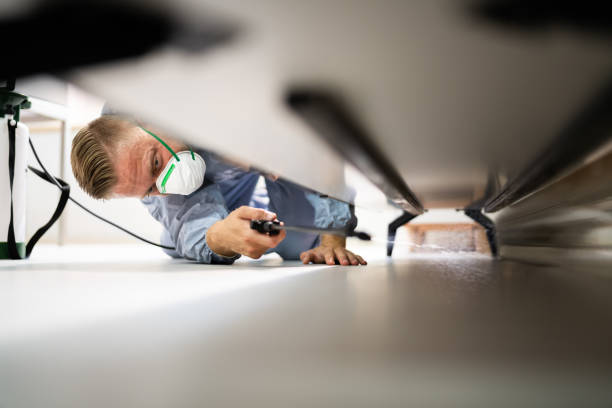
Pest control plays a critical role in maintaining the health, safety, and overall well-being of both residential and commercial spaces. Left unchecked, pests such as insects, rodents, and birds can cause significant structural damage, spread diseases, and lead to costly repairs. Here’s an overview of why pest control is indispensable for homes and businesses.
Protect Health and Prevent Disease
Pests are known carriers of various harmful pathogens that can pose serious health risks to humans.
- Rodents: Spread diseases such as Hantavirus, Salmonella, and Leptospirosis.
- Cockroaches: Trigger allergies and asthma while also carrying bacteria like E. coli.
- Mosquitoes: Transmit illnesses such as West Nile Virus, Dengue Fever, and Malaria.
Avoid Property Damage
Structural damage caused by pests can compromise the integrity of buildings over time.
- Termites: These insects feed on wood structures like beams, flooring, or furniture.
- Rodents: Chew through electrical wiring, which increases the risk of fire hazards.
- Carpenter Ants: Hollow out wood to create nests within walls or ceilings.
Timely intervention not only prevents costly repairs but also helps preserve property value.
Maintain Food Safety Standards
- Rodents may leave droppings near food supplies.
- Insects like flies or cockroaches introduce bacteria into stored goods.
Strict pest management ensures compliance with regulatory standards related to hygiene while protecting consumers from potential harm.
Improve Comfort Levels
Pests create discomfort through noise (e. g. , rodents scurrying), unpleasant odors (e. g. , decaying insect carcasses), or visible infestations (e. g. , ant trails). A pest-free environment enhances comfort for residents at home and employees in workplaces.
Key Benefits of Professional Pest Control Service Miami Gardens FL
Professional exterminators are equipped with specialized expertise to address infestations effectively.
| Benefit | Description |
| Tailored Solutions | Professionals assess your property’s unique needs before applying treatments. |
| Advanced Technology | Use of modern equipment such as thermal imaging for detecting hidden pests. |
| Long-term Prevention | Focused on not just removal but also preventative measures to avoid recurrence. |
Tips for Ongoing Pest Prevention
- Seal Entry Points
Inspect windowsills, doors, vents—and seal gaps to block access routes for pests. - Dispose of garbage promptly using sealed bins.
- Clean up food crumbs from counters and floors immediately after meals.
- Eliminate Standing Water
Stagnant water serves as a breeding ground for mosquitoes; check gutters or outdoor drains regularly. - Store Food ProperlyKeep food items in airtight containers instead of leaving them exposed on countertops.
- Conduct Regular InspectionsRoutinely inspect attic spaces/basements where infestations often originate undisturbed.
When combined with professional treatment plans tailored specifically toward individual requirements — sustainable long-term results become achievable thereby ensuring healthy living conditions suitable across diverse scenarios whether urban residential settings OR commercial industries alike
Top Miami Gardens FL Pest Control Solutions to Protect Your Space
Bed bugs are one of the most challenging pests to control due to their small size, rapid reproduction, and ability to hide in hard-to-reach areas. Their presence can cause discomfort, health issues, and even psychological stress for homeowners and business owners alike. Implementing effective bed bug control methods is essential for protecting your living or working space. Below are proven strategies and techniques to manage bed bug infestations.
Signs of Bed Bug Infestation
To effectively address a bed bug problem, it’s important to first identify the signs of their presence.
- Bites on skin: Small, red, itchy welts often appearing in a linear or clustered pattern.
- Bloodstains on sheets or furniture: Tiny blood spots may appear where bed bugs have been crushed.
- Fecal spots: Dark-brown or black stains on mattresses, bedding, or walls caused by bed bug excrement.
- Shed skins: As they grow, bed bugs shed their outer layer; these casings often accumulate near hiding spots.
- Live bugs: Adult bed bugs are small (about the size of an apple seed) and reddish-brown in color.
A thorough inspection is critical for locating infested areas.
| Location | Inspection Tips |
| Mattresses | Check seams, tufts, folds, and tags closely |
| Upholstered Furniture | Inspect cushions and underneath fabric |
| Cracks & Crevices | Examine baseboards, electrical outlets, etc. |
Professional pest control services often utilize specialized equipment like flashlights or magnifiers for detailed inspections.
While chemical treatments are common, non-chemical options can also be effective in certain cases: – Vacuuming: Regularly vacuum affected areas such as mattresses and carpets to remove live insects.Hot Washing & Drying: Wash infested clothing or linens at high temperatures (above 120°F). Use a hot dryer setting afterward.Steam Cleaning: Apply steam (at least 130°F) directly on mattresses or furniture where pests are present.Encasements: Seal mattresses and box springs in certified bed-bug-proof encasements.
Chemical treatments can provide effective long-term relief when applied correctly: – Insecticides: Use approved products specifically designed for residential use. – Common active ingredients include pyrethrins or neonicotinoids. – Always follow application instructions carefully.Dust Treatments: Silica-based dusts disrupt a bed bug’s waxy coating leading to dehydration.
For severe infestations that cannot be managed with DIY methods alone: 1. Hire licensed pest professionals trained in advanced treatment techniques like heat treatments (whole-room heating). 2. Professionals may use fumigation techniques if other measures prove ineffective.
Preventive Measures Against Bed Bugs
Preventing future infestations is just as important as addressing current issues: – Inspect secondhand furniture before bringing it indoors. – Reduce clutter around sleeping areas to eliminate hiding spaces. – Frequently change bedding materials while checking seams during cleaning routines.
Comprehensive Solutions for Bird Control and Prevention
Birds, while often admired for their beauty, can cause significant problems when they take up residence in or around your home or business. From property damage to health risks, addressing bird infestations requires a strategic and comprehensive approach. Below, we outline effective bird control and prevention methods that can safeguard your property from these avian nuisances.

Why Bird Control is Necessary
- Property Damage: Birds can damage roofing materials, gutters, and ventilation systems. Their nests may block drains or chimneys, leading to costly repairs.
- Health Risks: Birds are carriers of various diseases such as histoplasmosis, salmonella, and psittacosis. Their droppings also create unsanitary conditions that may pose safety risks.
- Pest Attraction: Bird nests attract parasites like mites, ticks, fleas, and even other pests like rodents.
- Reputational Concerns: For businesses, visible bird infestations or droppings can harm the perception of cleanliness and professionalism.
Effective Bird Control Methods
Managing bird populations effectively requires both preventive measures and active deterrents.
- Bird Spikes: Install spikes on ledges, beams, or other surfaces where birds commonly perch to prevent roosting.
- Netting: Use durable nets to block access to specific areas such as rooftops or eaves.
- Sealing Entry Points: Close off small openings in buildings where birds might nest.
- Reflective devices such as mirrors or hanging reflective tape can scare birds away.
- Decoy predators like plastic owls or hawks may discourage birds from settling in an area.
- Ultrasonic devices emit sounds that irritate birds but remain inaudible to humans.
- Recorded predator calls can also be used in outdoor spaces.
- Chemical Repellents
Apply non-toxic gels or sprays designed to make surfaces uncomfortable for birds without harming them. - Professional Wildlife Management Services
For persistent problems or large-scale infestations, hiring trained professionals ensures humane removal while mitigating future issues through long-term strategies.
Preventive Measures for Long-Term Bird Control
| Preventive Measure | Benefits |
| Regular Maintenance | Keep gutters clean and roofs free of debris to reduce nesting opportunities. |
| Proper Waste Management | Store trash securely to avoid attracting birds searching for food sources. |
| Landscaping Adjustments | Trim tree branches near buildings to limit access points for nesting birds. |
| Employee/Resident Awareness Programs | Educate individuals on not feeding wild birds close to residential/commercial properties. |
The Role of Professional Assistance
While DIY solutions may work for minor cases, professional pest control companies offer tailored solutions based on your property’s specific needs. They utilize advanced tools and techniques while ensuring humane treatment of wildlife within legal guidelines.
By adopting a combination of these methods with regular monitoring efforts, you can maintain a bird-free environment while protecting your property from damage and health hazards associated with unwanted avian guests.
Effective Tips from a Pest Control Company Miami Gardens FL to Combat Cockroach and Crawling Insect Infestations
Cockroaches and other crawling insect infestations are not only a nuisance but also a serious health concern for homes and businesses. These pests can contaminate food, spread diseases, and create unsanitary conditions. Addressing infestations promptly with effective strategies is critical to maintaining a clean and safe environment.
Signs of a Cockroach or Crawling Insect Infestation
Early detection is key to minimizing the damage caused by these pests.
- Droppings:Small black or brown droppings resembling coffee grounds or pepper are often left behind by cockroaches.
- Egg Casings:Empty egg casings, known as oothecae, indicate cockroach breeding activity.
- Unusual Odors:A strong musty odor may be present in areas experiencing heavy infestations.
- Physical Sightings:Seeing cockroaches or crawling insects during the day often indicates a severe infestation, as they typically hide during daylight hours.
- Damage to Food Packaging or Items:Small holes or gnaw marks on food packages could suggest insect activity.
Prevention Strategies for Crawling Insects
Preventing infestations is always more efficient than dealing with them after they occur.
- Use caulk or weatherstripping to seal cracks around windows, doors, and utility pipes where insects might enter.
- Install door sweeps to prevent access through gaps at the bottom of doors.
- Regularly clean floors, countertops, and appliances to eliminate crumbs and spills that attract pests.
- Store food in airtight containers to prevent contamination.
- Repair leaky pipes and faucets promptly.
- Ensure proper ventilation in damp areas such as bathrooms or basements.
- Remove excess clutter like cardboard boxes or newspapers that provide hiding spaces for insects.
Effective Treatment Methods
Chemical Treatments:
- Use insecticides designed specifically for cockroaches and crawling insects in problem areas such as baseboards, under sinks, and behind appliances.
- Apply baits in hidden spots where these pests are likely to feed.
Non-Chemical Alternatives:
- Diatomaceous earth can be sprinkled along baseboards and entry points; it works by dehydrating the exoskeletons of insects.
- Sticky traps can help monitor pest activity while reducing their numbers gradually.
For severe cases or repeated infestations, hiring licensed exterminators ensures thorough eradication using advanced tools and treatments tailored to your property’s needs.
Table: Comparison Between DIY Treatments vs Professional Pest Control
| Aspect | DIY Treatments | Professional Services |
| Cost | Generally lower upfront cost | Higher initial investment |
| Effectiveness | Varies; may require multiple rounds | Highly effective with long-lasting results |
| Safety | Potential risks if improperly used | Trained experts ensure safe application |
By addressing cockroach and crawling insect issues promptly through prevention practices paired with effective treatment methods when necessary, you can protect both your health and property from these persistent pests.
The Importance of Rodent Control to Safeguard Your Property
Rodents, including mice and rats, can cause significant issues when they invade homes or businesses. Their presence is not only a nuisance but also a serious threat to your property and health. Understanding the importance of rodent control and implementing effective measures can protect both your investment and well-being.
Why Rodent Control is Critical
- Rodents are carriers of diseases such as hantavirus, leptospirosis, salmonella, and rat-bite fever. These illnesses can spread through their urine, droppings, or bites.
- Contaminated food supplies or surfaces by rodents can lead to foodborne illnesses.
- Their shedding fur and dander contribute to allergens that may trigger reactions in individuals sensitive to allergies or asthma.
- Rodents have strong incisors that grow continuously. To maintain them, they gnaw on various materials such as wood, plastic, and even electrical wiring.
- Chewed wires significantly increase the risk of electrical fires in properties.
- Structural damage caused by burrowing into walls, insulation destruction, or nesting within attics weakens important areas of buildings.
- For businesses like restaurants or retail stores, rodent infestations can tarnish reputations quickly if customers notice droppings or sightings.
- Health code violations resulting from infestations can lead to fines or even business closures.

Signs of a Rodent Infestation
Proper identification is key to addressing rodent issues effectively.
- Droppings: Small dark pellets around food storage areas or along baseboards.
- Gnaw marks: Damage on furniture, wires, walls, or packaging.
- Nesting materials: Shredded paper, fabric scraps, or other soft materials used for building nests.
- Scratching noises: Often heard at night within walls or ceilings as rodents move around.
- Grease marks: Dark smudges left along commonly traveled paths due to body oils.
Effective Strategies for Rodent Control
- Seal entry points such as gaps in doors, windows, vents, and cracks using caulk or steel wool.
- Keep outdoor vegetation trimmed away from the property’s perimeter to reduce hiding spots near structures.
- Store food securely in airtight containers made of metal or glass rather than plastic bags susceptible to gnawing.
- Professional Extermination Services Investing in licensed exterminators provides:
- Thorough inspection of your property for active infestations and entry points.
- Safe application of traps and bait systems tailored specifically for your situation.
- Long-term monitoring plans aimed at preventing future invasions.
- Ongoing Maintenance Maintaining cleanliness reduces attraction factors:
- Regularly clean up crumbs from eating areas; vacuum carpets routinely Regular waste disposal properly stored bins lid-tightened
Tables might not fit naturally into this header but additional data trend tables quantifying cost comparisons DIY services could help
Effective Termite Control with an Exterminator Miami Gardens FL: Protecting Your Investment
Termites are among the most destructive pests, capable of causing significant damage to homes and businesses alike. A proactive approach to termite control not only protects your property but also safeguards its structural integrity and long-term value. Understanding how termite control works and why it is crucial can help you make informed decisions about protecting your investment.
The Threat of Termites
Termites are often called “silent destroyers” because they can work undetected for years, consuming wood and other cellulose-based materials within structures.
- Structural Damage: Termites weaken the foundation, walls, beams, and other vital parts of a building.
- Costly Repairs: In the United States alone, termites cause billions of dollars in damage annually.
- Decreased Property Value: Termite infestations can lower property resale value if not treated promptly.
Signs of a Termite Infestation
Detecting a termite infestation early is critical to mitigating potential damage.
- Hollow-sounding wood when tapped
- Mud tubes along walls or foundations
- Discarded wings near windows or doors
- Warped or blistered wood surfaces
- Small piles of what appear to be sawdust (frass)
If you notice any of these signs, it’s essential to contact a pest management professional immediately for assessment.
Methods of Termite Control
There are several approaches to termite control based on the severity of infestation and type of termites present on your property.
- A chemical barrier is applied around the building’s foundation to repel or eliminate termites.
- This method provides long-term protection by preventing termites from entering treated areas.
- Bait stations containing slow-acting pesticides are strategically placed around the property.
- Worker termites carry bait back to their colony, effectively eliminating it over time.
- Wood may be treated with insecticides or borate solutions during construction as a preventive measure.
- This can help protect exposed wooden structures from future infestations.
- In severe cases, whole-structure fumigation may be necessary to eradicate drywood termites completely.
- Heat is used as an eco-friendly alternative for eliminating active infestations without chemicals.
| Method | Best Used For | Advantages | Limitations |
| Liquid Barriers | Subterranean termites | Long-lasting protection | Requires precise application |
| Baiting Systems | Large colonies | Targets the entire colony | Slower results |
| Wood Treatments | Prevention | Effective against future infestations | Not suitable for existing damage |
| Fumigation | Severe infestations | Comprehensive elimination | Costly; requires evacuation |
| Heat Treatment | Spot-specific infestations | Chemical-free | May not penetrate deep areas |
Steps to Prevent Future Infestations
- Keep gutters clean and direct water away from your foundation.
- Minimize direct wood-to-soil contact around buildings.
- Maintain proper ventilation in crawl spaces to reduce moisture levels.
- Regularly inspect wooden structures for signs of damage or infestation.
- Store firewood at least 20 feet away from buildings.
Investing in annual termite inspections by professionals is also highly recommended as part of ongoing maintenance efforts.
Taking these steps ensures that your home or business remains protected against future termite threats while preserving its value over time.
- Essential Reasons Why Miami Gardens FL Pest Control Is Vital for Public Health and Safety
- How Miami Gardens FL Pest Control Can Safeguard Your Home and Health
- Understanding Miami Gardens FL Pest Control and Its Importance for Every Home
- Effective Pest Control Methods from a Trusted Pest Control Company Miami Gardens FL
- Effective Miami Gardens Pest Removal for Homes and Businesses
- Affordable Pest Control Service Miami Gardens FL: Protect Your Home and Health
- Top Reasons to Hire a Pest Control Company Miami Gardens FL for Your Health and Home
